



Hackers News Hackers News
  • CyberSecurity News
  • Threats
  • Attacks
  • Vulnerabilities
  • Breaches
  • Comparisons

Social Media

Hackers News Hackers News
  • CyberSecurity News
  • Threats
  • Attacks
  • Vulnerabilities
  • Breaches
  • Comparisons
Search the Site
Popular Searches:
technology Amazon AI
Recent Posts
SOCs & MSSPs Prevent Phishing Missed Incidents Email
May 13, 2026
Fragnesia Linux Vulnerability Let Attackers Gain Root Privileges
May 13, 2026
Foxconn Confirms Cyberattack by Nitrogen Ransomware Gang
May 13, 2026
Home/Threats/New Phishing Attack: DocuSign Impersonation De Impersonate Deploys
Threats

New Phishing Attack: DocuSign Impersonation De Impersonate Deploys

A new phishing wave is abusing fake DocuSign notifications to drop stealthy malware on Windows systems. The emails copy real DocuSign branding and urge users to review a pending agreement, pushing...

Jennifer sherman
Jennifer sherman
January 8, 2026 2 Min Read
11 0

A new phishing wave is abusing fake DocuSign notifications to drop stealthy malware on Windows systems.

The emails copy real DocuSign branding and urge users to review a pending agreement, pushing them toward a link that claims to host the file.

Once clicked, the chain shifts from browser to a multi‑stage loader built to dodge basic email and endpoint defenses.

The phishing link leads to a web page that asks the victim for an access code before showing the supposed document.

This gate boosts trust and also blocks many automated sandboxes, which do not know the correct code.
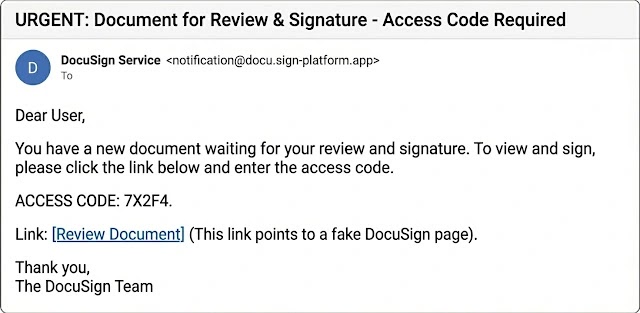
Phishing email (Source - JOEsecurity)
Phishing email (Source – JOEsecurity)

Behind the page, a script selects the next stage, often a download that looks like a harmless PDF or zipped contract.

JOEsecurity analysts/researchers noted and later identified the malware while running samples in Joe Sandbox Cloud Basic, where the access‑code gate, time‑based checks, and extra packing became visible.

Their complete technical breakdown shows how the loader waits for certain time windows and then decrypts its real payload only in memory.

This presents the process tree and network calls that expose this behavior. While the targets range from small firms to large global enterprises.

Infection Mechanism and Stealth Tactics

Once the victim opens the downloaded lure, a small script or macro launches a PowerShell command that pulls the next stage from a remote server under attacker control.

The command uses long, obfuscated strings, environment variables, and encoded blocks to hide its intent from simple rules.
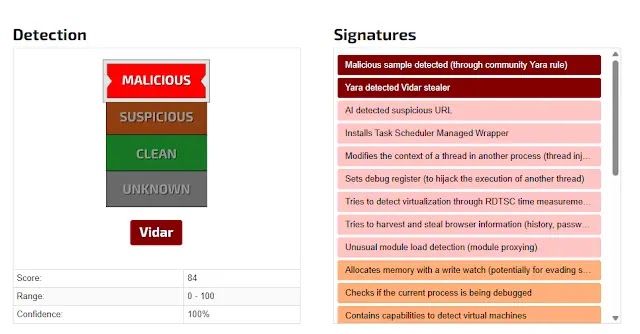
Final Payload (Source - JOEsecurity)
Final Payload (Source – JOEsecurity)

A common pattern seen in this campaign, where PowerShell is started with an encoded payload and a hidden window.

powershell -EncodedCommand $enc -WindowStyle Hidden -ExecutionPolicy Bypass

After decoding, the script loads a .NET component directly into memory, starts it as a child of a trusted process such as explorer.exe, and injects the main payload into that host.

The malware then sets light persistence by adding a Run key in the registry or a scheduled task that calls the script with a fresh access code.

Because most work happens in memory and inside trusted hosts, strong endpoint logs and network monitoring are vital to spot this DocuSign themed attack.

Disclaimer: HackersRadar reports on cybersecurity threats and incidents for informational and awareness purposes only. We do not engage in hacking activities, data exfiltration, or the hosting or distribution of stolen or leaked information. All content is based on publicly available sources.


Tags:

AttackMalwarephishingSecurity

Share Article

Jennifer sherman

Jennifer sherman

Jennifer is a cybersecurity news reporter covering data breaches, ransomware campaigns, and dark web markets. With a background in incident response, Jennifer provides unique insights into how organizations respond to cyber attacks and the evolving tactics of threat actors. Her reporting has covered major breaches affecting millions of users and has helped organizations understand emerging threats. Jennifer combines technical knowledge with investigative journalism to deliver in-depth coverage of cybersecurity incidents.

Previous Post

Microsoft Mandates MFA for Microsoft 365 Admin Center

Next Post

UAT-7290 Hackers Attacking Critical Infrastructure Entities in

No Comment! Be the first one.

Leave a Reply Cancel reply

Your email address will not be published. Required fields are marked *

Popular Posts
iOS 26.5 Brings End-to-end Encrypted RCS Messaging Between iPhone
May 13, 2026
Critical Exim BDAT GnuTLS Flaw Vulnerability Enables
May 13, 2026
Google Boosts Android Mobile Security with New AI Protections
May 13, 2026
Top Authors
Marcus Rodriguez
Marcus Rodriguez
Jennifer sherman
Jennifer sherman
Sarah simpson
Sarah simpson
Let's Connect
156k
2.25m
285k

Related Posts

Jennifer sherman
By Jennifer sherman
Threats

GlassWorm Attacks macOS via Malicious VS Code…

January 1, 2026
Emy Elsamnoudy
By Emy Elsamnoudy
Attacks

ClickFix Attack Hides Malicious Code via Stegan Security

January 1, 2026
Sarah simpson
By Sarah simpson
Vulnerabilities

MongoBleed Detector Tool Detects Critical MongoDB CVE-

January 1, 2026
Emy Elsamnoudy
By Emy Elsamnoudy
Breaches

Conti Ransomware Gang Leaders & Infrastructure Exposed

January 1, 2026
Hackers News Hackers News
  • [email protected]

Quick Links

  • Contact Us
  • Privacy Policy
  • Terms of service

Categories

Attacks
Breaches
Comparisons
CyberSecurity News
Threats
Vulnerabilities

Let's keep in touch

receive fresh updates and breaking cyber news every day and week!

All Rights Reserved by HackersRadar ©2026

Follow Us





