




10 Best Mobile Threat Defense Solutions for 2026
Key Takeaways Mobile Threat Defense (MTD) solutions are crucial for detecting and neutralizing advanced threats on mobile devices, a capability distinct from Mobile Device Management (MDM)....

Key Takeaways
- Mobile Threat Defense (MTD) solutions are crucial for detecting and neutralizing advanced threats on mobile devices, a capability distinct from Mobile Device Management (MDM).
- Organizations with Microsoft 365 E5 licensing may find Microsoft Defender for Endpoint’s mobile capabilities a cost-effective starting point, covering common threat vectors.
- For high-risk individuals and targeted attacks, specialized MTD vendors like Zimperium and Lookout offer superior on-device detection and advanced threat intelligence.
- Phishing via SMS, messaging apps, and social media is the predominant mobile threat, requiring MTD solutions capable of inspecting links across all applications, not just email.
- Effective MTD deployment necessitates careful consideration of user privacy, seamless integration with conditional access policies, and thorough testing of platform-specific capabilities.
Understanding the Imperative for Mobile Threat Defense
In the evolving landscape of cybersecurity, mobile devices have become prime targets for sophisticated attacks. While Mobile Device Management (MDM) solutions have long been the cornerstone of mobile endpoint control, their capabilities are fundamentally limited to configuration enforcement. A modern security posture demands Mobile Threat Defense (MTD), a distinct layer designed to actively detect and block emerging threats across smartphones and tablets.
Table Of Content
- Key Takeaways
- Understanding the Imperative for Mobile Threat Defense
- MDM vs. MTD: A Critical Distinction
- Navigating the Modern Mobile Threat Landscape
- The Pervasive Threat of Mobile Phishing
- Malicious Applications Persist in Official Stores
- The Rise of Mercenary Spyware and High-Risk Users
- Underestimated Network Attacks
- Top 10 Mobile Threat Defense Solutions for 2026
- For sophisticated and targeted threats — Zimperium
- For mobile-first enterprise security — Lookout
- For Microsoft 365 organizations — Microsoft Defender for Endpoint
- For Apple estates on Jamf — Jamf
- For Check Point estates — Check Point Harmony Mobile
- For privacy-sensitive and European deployments — Pradeo
- For Ivanti-managed estates — Ivanti
- For high-assurance and government environments — BlackBerry
- For Symantec estates — Broadcom (Symantec)
- For Trellix estates — Trellix
- Strategic Deployment of MTD: Avoiding Pitfalls
- Navigating Privacy Concerns
- Integrating with Conditional Access
- Fine-Tuning Phishing Protection
- Enhanced Hardening for High-Risk Users
- Verifying MTD Effectiveness Before Commitment
- What You Should Do
MTD directly addresses malicious applications, pervasive phishing attempts, network-based assaults, operating system exploits, and device compromises such as jailbreaking or rooting. This critical distinction means that even a perfectly configured, MDM-managed device remains vulnerable to active threats that MDM simply cannot identify or mitigate.
MDM vs. MTD: A Critical Distinction
The core difference between MDM and MTD lies in their operational focus:
- MDM Functionality: Primarily focused on device configuration, including enforcing passcodes, encryption, and application deployment policies, alongside remote wipe and lock capabilities. It manages the device’s state and compliance.
- MTD Functionality: Engineered for active threat detection and response. This includes identifying malicious apps, blocking phishing links across all communication channels, detecting hostile Wi-Fi networks or man-in-the-middle attacks, flagging actively exploited unpatched operating systems, and recognizing device compromise.
In essence, MDM ensures a device adheres to organizational policies, but MTD provides the intelligence to know if that compliant device is under attack. A device in full MDM compliance can still be actively exfiltrating data via a malicious application, a scenario MDM is blind to. While robust MDM, coupled with Android Enterprise, iOS platform protections, and Zero Trust conditional access, can cover many organizations’ realistic threat models, MTD becomes indispensable when mobile devices are primary work surfaces, users are high-value targets, or regulatory compliance mandates explicit mobile threat detection.
Navigating the Modern Mobile Threat Landscape
Effective MTD selection requires a clear understanding of the threats it must counter.
The Pervasive Threat of Mobile Phishing
Mobile phishing represents the most significant and prevalent risk. Unlike traditional email-based phishing, these attacks exploit SMS, encrypted messaging apps, QR codes, and social media platforms – channels often beyond the purview of email security solutions. The smaller screen real estate on mobile devices often obscures malicious URLs, leading to higher click-through rates among users. Consequently, any chosen MTD solution must feature comprehensive link inspection across all applications, leveraging real-time threat intelligence to identify and block newly registered credential harvesting sites.
Malicious Applications Persist in Official Stores
Despite rigorous vetting, both Apple’s App Store and Google Play Store occasionally host malicious applications that bypass initial checks, reaching users before removal. Beyond official channels, Android’s sideloading capabilities and iOS enterprise certificate abuse further expand the attack surface for app-based malware.
The Rise of Mercenary Spyware and High-Risk Users
The emergence of commercial surveillance tools, or “mercenary spyware,” sold to state actors, has fundamentally altered the threat calculus for high-risk individuals such as journalists, activists, legal professionals, and executives. These sophisticated tools can employ zero-click exploits, compromising devices without any user interaction. Apple has responded with a threat-notification program for targeted users and introduced Lockdown Mode, a hardening option. For organizations with personnel who could be targets of such advanced threats, MTD requirements shift from general malicious app detection to identifying sophisticated device compromise, a capability offered by a limited number of specialist vendors.
Underestimated Network Attacks
Network-based attacks remain a significant, yet often overlooked, vector. Hostile Wi-Fi networks, rogue access points, and certificate manipulation are relatively simple to execute in public venues like airports, hotels, and conference centers, where executives and other key personnel frequently operate.
Top 10 Mobile Threat Defense Solutions for 2026
For sophisticated and targeted threats — Zimperium

Zimperium leverages on-device machine learning for detecting threats across device, network, application, and phishing vectors. Critically, this analysis occurs directly on the device, eliminating the need to send traffic to the cloud, thereby enhancing privacy and enabling offline operation. It also supports proactive threat hunting and detection engineering.
Strengths: Full on-device detection ensures privacy and offline functionality; a proven track record against novel mobile exploits; robust application analysis; extensive integration with MDM and UEM platforms; offers in-app protection for developers.
Considerations: Positions at a premium price point; deployment and configuration can be resource-intensive; its advanced capabilities may exceed the needs of some organizations.
For mobile-first enterprise security — Lookout

Lookout stands as a veteran in mobile security, boasting an extensive repository of mobile app and threat telemetry accumulated over more than a decade. Its platform integrates smoothly with various enterprise Extended Detection and Response (XDR) systems.
Strengths: Benefits from a vast, long-standing mobile threat dataset; excels in phishing and content protection; strong capabilities in app risk analysis and privacy assessment; particularly effective for highly regulated industries.
Considerations: Lookout recently refocused on its mobile offerings after divesting its enterprise cloud security portfolio. While this strengthens the mobile product, potential clients should verify the latest product roadmap; some core functionalities rely on cloud-based analysis.
For Microsoft 365 organizations — Microsoft Defender for Endpoint
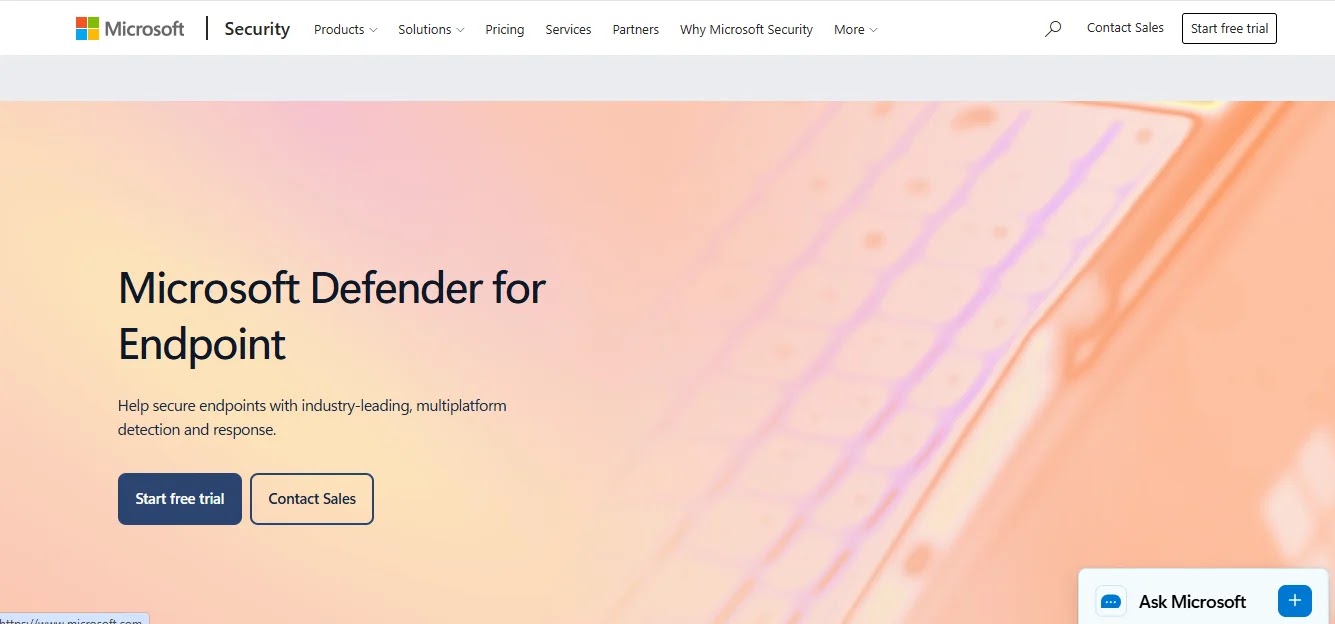
Microsoft Defender for Endpoint offers mobile threat defense for both iOS and Android, included within its existing licensing tiers. This integrates directly with Entra ID for conditional access and feeds into centralized Endpoint Detection and Response (EDR) tools.
Strengths: No additional cost for organizations already holding the appropriate Defender licensing; seamless conditional access integration automatically restricts compromised devices; unified management with desktop security console; effective detection of common phishing and malicious app threats.
Considerations: Detection capabilities for highly sophisticated mobile threats are not as deep as specialist vendors like Zimperium or Lookout; iOS functionality is more constrained than Android due to platform limitations; requires specific Defender licensing tiers.
For Apple estates on Jamf — Jamf

Jamf provides mobile threat defense built on technology acquired from Wandera, offering direct integration with Jamf’s device management platform to enforce endpoint security best practices across Apple environments.
Strengths: Effortless integration for existing Jamf users; robust network-level protection and content filtering; ideal for Apple-centric organizations seeking a single vendor solution; provides valuable data usage and policy controls.
Considerations: Optimal value is primarily realized within an existing Jamf ecosystem; Android capabilities are secondary; note that the Wandera brand has been absorbed into Jamf, a detail often missed in older comparison lists.
For Check Point estates — Check Point Harmony Mobile

Check Point Harmony Mobile extends Check Point’s renowned threat prevention engines to mobile devices, integrating seamlessly with its broader security platform. It is recognized among leading Zero Trust security providers.
Strengths: Strong heritage in threat prevention, evidenced by a 100% block rate with 100% accuracy in CyberRatings.org’s Q1 2025 cloud network firewall testing; comprehensive protection across app, network, and OS levels; unified management with existing Check Point infrastructure; excellent anti-phishing capabilities.
Considerations: Provides the most significant value within an existing Check Point security ecosystem; licensing across the Harmony portfolio can require careful mapping.
For privacy-sensitive and European deployments — Pradeo

Pradeo, a European mobile security specialist, focuses on robust application behavior analysis, clear privacy commitments, and telemetry integration for Security Operations Center (SOC) platforms.
Strengths: Offers granular analysis of app behavior and data leakage; EU-based with strong data residency and privacy posture, aligning well with GDPR requirements; flexible deployment options, including on-premises.
Considerations: Has a smaller market presence and reference base outside of Europe; features fewer integrations compared to larger, more established vendors.
For Ivanti-managed estates — Ivanti
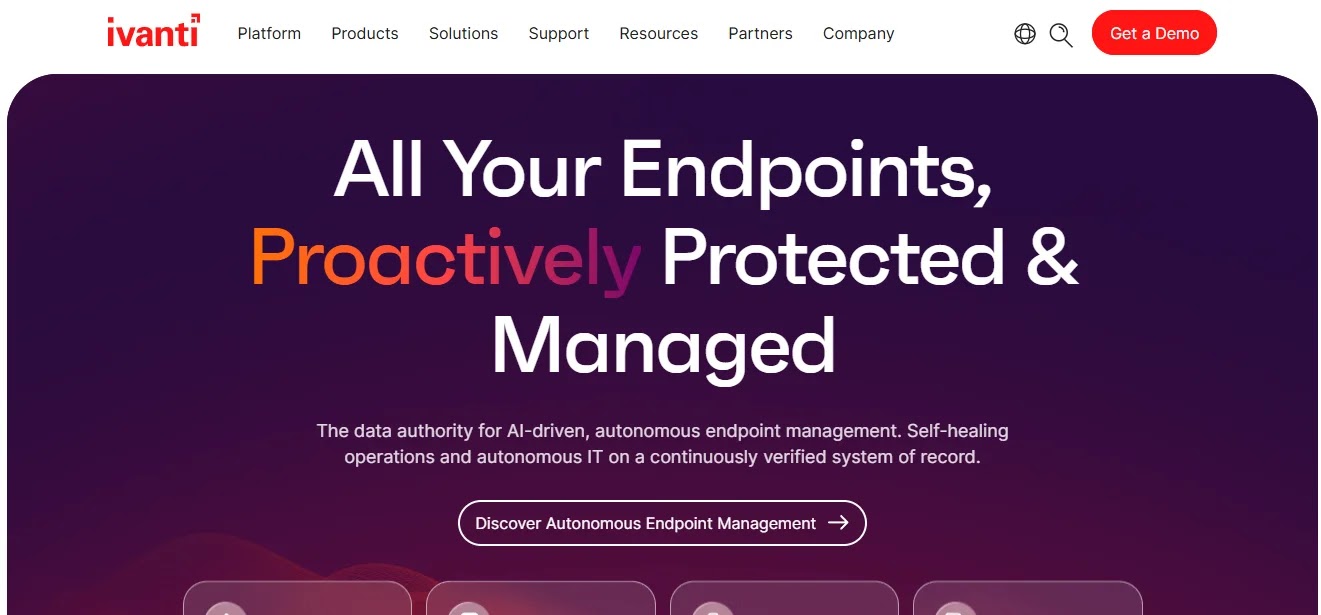
Ivanti offers mobile threat defense capabilities that are integrated with its comprehensive mobile management platform, allowing for unified detection and policy enforcement.
Strengths: Provides tight integration with Ivanti’s mobile management solutions; offers a single vendor for both device management and threat defense; a reasonable option for existing Ivanti customers.
Considerations: Its detection depth may not match that of dedicated mobile security specialists; Ivanti products have been cited in multiple advisories on the CISA Known Exploited Vulnerabilities catalog, making explicit vulnerability response commitments a key part of any evaluation.
For high-assurance and government environments — BlackBerry

BlackBerry provides mobile security as part of its secure communications and Unified Endpoint Management (UEM) portfolio, designed to coordinate with VPN architectures and adhere to established government standards.
Strengths: Strong track record with government certifications and high-assurance environments; excellent integration with secure communications; robust containerization features.
Considerations: BlackBerry divested its Cylance endpoint assets to Arctic Wolf in February 2025, necessitating confirmation of its strategic commitment to the remaining mobile and UEM business; feature development velocity may lag behind specialist vendors.
For Symantec estates — Broadcom (Symantec)

Broadcom (Symantec) offers mobile threat defense as an extension of its established endpoint security portfolio, providing mobile protection solutions that leverage proven malware detection technologies.
Strengths: Integrates effectively with existing Symantec endpoint deployments; utilizes mature detection technology; a sensible choice for organizations already invested in the Symantec portfolio.
Considerations: Broadcom’s recent changes to licensing and support models have prompted many enterprise customers to re-evaluate their relationships; potential buyers should scrutinize commercial terms as closely as technical capabilities; mobile security represents a smaller component within a vast product portfolio.
For Trellix estates — Trellix
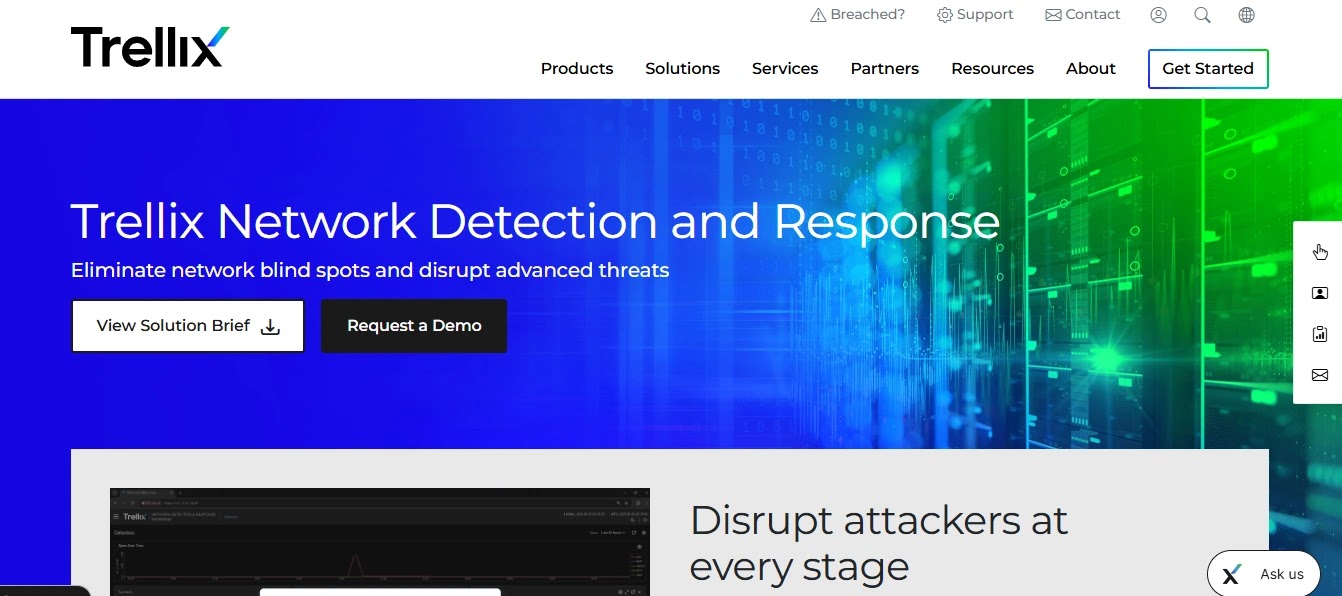
Trellix integrates mobile security within its comprehensive detection and response platform, feeding mobile telemetry into its broader Managed Detection and Response (MDR) services.
Strengths: Facilitates correlation of mobile detections with the wider Trellix security estate; advantageous for organizations aiming to consolidate detection tools; benefits from established enterprise support infrastructure.
Considerations: The ongoing portfolio consolidation following the McAfee Enterprise and FireEye merger necessitates a direct conversation about the product roadmap, particularly for smaller lines like mobile security; standalone buyers should compare its offerings against those of specialist MTD vendors.
Strategic Deployment of MTD: Avoiding Pitfalls
Navigating Privacy Concerns
MTD solutions are inherently more privacy-sensitive than MDM, as they inspect network traffic and analyze application behavior. Transparent communication with users is paramount. Clearly articulate what data is and isn’t inspected. Emphasize that most enterprise MTD focuses on connection metadata and app behavior, not message content. Solutions with on-device detection, such as Zimperium, can further reassure users by keeping data localized. For Bring Your Own Device (BYOD) scenarios, prioritize on-device detection to maximize privacy and maintain functionality even when offline.
Integrating with Conditional Access
An MTD solution that merely generates alerts without triggering automated responses is insufficient. The most valuable configurations link threat detections directly to conditional access policies: a detected threat should mark the device as non-compliant, automatically blocking access to corporate resources and guiding the user toward remediation. Confirm seamless integration with your identity provider before procurement.
Fine-Tuning Phishing Protection
Aggressive phishing protection across all applications will inevitably flag legitimate links. Begin deployment in a monitoring-only mode to establish a baseline and develop a robust exception process before enforcing blocks.
Enhanced Hardening for High-Risk Users
For individuals susceptible to advanced persistent threats, such as those targeted by mercenary spyware (e.g., executives, legal, finance, journalists), MTD alone is insufficient. Combine MTD with platform hardening features like iOS Lockdown Mode, enforce immediate OS updates, and establish clear reporting channels for any threat notifications from Apple or Google.
Verifying MTD Effectiveness Before Commitment
Before finalizing an MTD solution, thorough verification is essential:
- Test Phishing Detection Beyond Email: Evaluate the MTD’s ability to detect phishing links delivered via SMS, WhatsApp, QR codes, and other non-email channels. This is a key differentiator among products.
- Assess iOS vs. Android Capabilities Separately: Apple’s platform restrictions impact what any MTD can achieve on iOS. Do not accept a generic “supports iOS and Android” claim; demand specific details on feature parity and limitations for each OS.
- Clarify Data Egress: Directly inquire what data is transmitted to the vendor’s cloud, where it is stored, and for how long. This information is critical for privacy posture and regulatory compliance.
- Confirm UEM Integration Depth: Verify that the MTD can effectively communicate device compliance status to your specific MDM/UEM platform and test the complete remediation workflow.
What You Should Do
- Review Existing Licensing: Determine if your current Microsoft 365 E5 or equivalent licensing already includes Microsoft Defender for Endpoint’s mobile capabilities. This is often the most cost-effective starting point.
- Assess Your Threat Model: Identify if your organization has high-risk users (e.g., executives, journalists) or a significant mobile-first workforce. This will dictate whether a specialized MTD solution like Zimperium or Lookout is necessary.
- Prioritize Phishing Protection: Ensure any MTD solution you consider can inspect links across all messaging and social media applications, not just email.
- Plan for Conditional Access Integration: Verify that your chosen MTD can integrate with your identity provider (e.g., Entra ID) to automatically block access to corporate resources for compromised devices.
- Communicate Transparently: Prepare clear communications for users regarding what MTD monitors and how it protects their devices, especially for BYOD scenarios, to mitigate privacy concerns.
- Test Thoroughly: Conduct pilot programs to test phishing detection across various channels, evaluate iOS and Android capabilities independently, and confirm UEM integration before full deployment.
- Implement Hardening for High-Risk Users: For individuals susceptible to advanced threats, combine MTD with platform hardening features like iOS Lockdown Mode and a robust incident reporting process.
Disclaimer: HackersRadar reports on cybersecurity threats and incidents for informational and awareness purposes only. We do not engage in hacking activities, data exfiltration, or the hosting or distribution of stolen or leaked information. All content is based on publicly available sources.









No Comment! Be the first one.