


Hackers News Hackers News
  • CyberSecurity News
  • Threats
  • Attacks
  • Vulnerabilities
  • Breaches
  • Comparisons

Social Media

Hackers News Hackers News
  • CyberSecurity News
  • Threats
  • Attacks
  • Vulnerabilities
  • Breaches
  • Comparisons
Search the Site
Popular Searches:
technology Amazon AI
Recent Posts
Hackers Used Claude AI to Attack Water & Drainage Utilities
May 7, 2026
Critical Ollama Memory Leak Exposes 300 Vulnerability Servers
May 7, 2026
Microsoft Teams Android: Join Third-Party Meetings via
May 7, 2026
Home/CyberSecurity News/Researchers Access StealC Malware Command-and-Control Systems
CyberSecurity News

Researchers Access StealC Malware Command-and-Control Systems

Security researchers successfully exploited vulnerabilities in the StealC malware infrastructure, an action that granted them access to operator control panels. Crucially, this breach also led to the...

Marcus Rodriguez
Marcus Rodriguez
January 17, 2026 2 Min Read
1 0

Security researchers successfully exploited vulnerabilities in the StealC malware infrastructure, an action that granted them access to operator control panels. Crucially, this breach also led to the exposure of a threat actor’s identity, achieved by leveraging their own stolen session cookies.

The breach highlights critical security failures in criminal operations built around credential theft.

XSS Vulnerability Exposes StealC Operators

StealC, an information-stealing malware operating under a Malware-as-a-Service model since early 2023, faced a significant setback when researchers discovered a cross-site scripting (XSS) vulnerability in its web panel following a code leak in spring 2025.
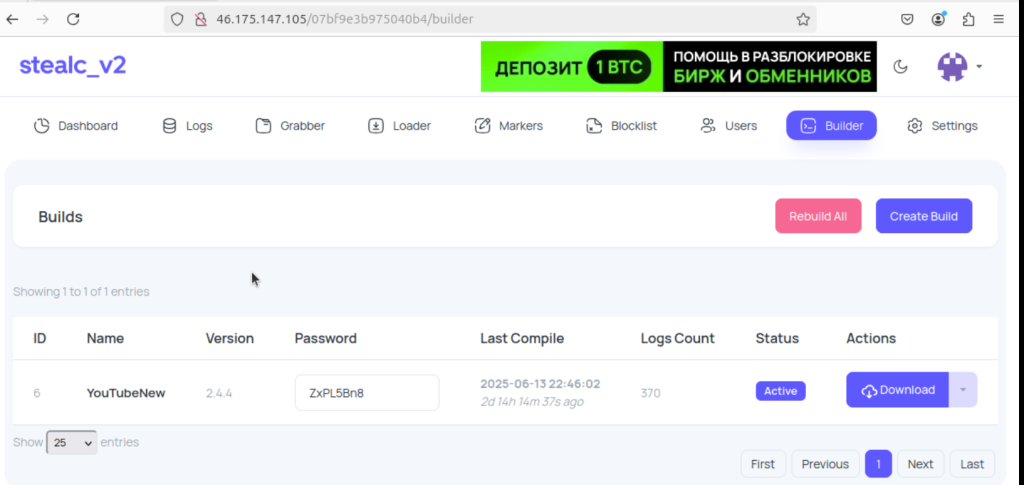
StealC build page with example build called “YouTubeNew.”
StealC build page with example build called “YouTubeNew”

By exploiting this flaw, CyberArk Labs collected system fingerprints, monitored active sessions, and captured authentication cookies from the infrastructure designed to steal them.

The irony proved significant: operators specializing in cookie theft failed to implement basic security features, such as the httpOnly flag, that would have prevented cookie hijacking via XSS attacks.
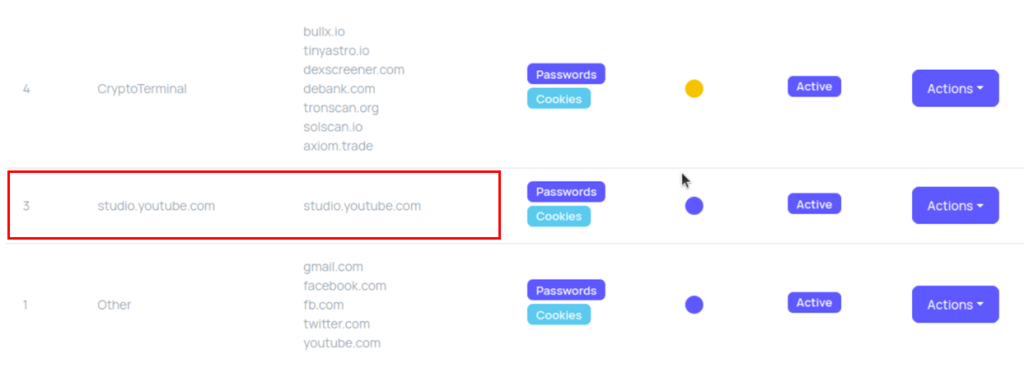
 YouTubeTA’s StealC web panel.
 YouTubeTA’s StealC web panel

Through panel access, researchers tracked a single operator designated “YouTubeTA” (YouTube Threat Actor) who maintained over 5,000 infection logs containing 390,000 stolen passwords and 30 million cookies.

Screenshots captured by the malware showed victims searching for cracked versions of Adobe Photoshop and After Effects on YouTube, suggesting that YouTubeTA compromised legitimate YouTube channels with established subscriber bases to distribute StealC.
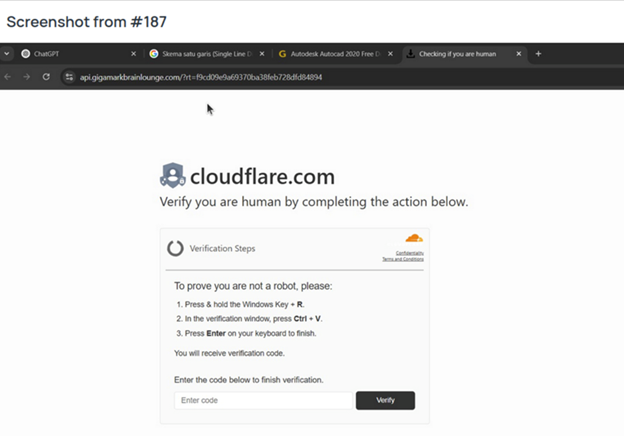
Likely clickfix page used to install StealC

The operator’s panel configuration included specific markers for studio.youtube.com credentials, indicating a strategy to hijack content creator accounts and expand malware distribution networks.

Panel fingerprinting identified YouTubeTA as a single operator using an Apple M3 processor, with consistent hardware signatures across all sessions, as reported by CyberArk Labs .

Language preferences showed support for English and Russian, while timezone data indicated GMT+0300 (Eastern European Summer Time).

A critical operational security failure occurred when the operator briefly connected without VPN protection, revealing an IP address associated with Ukrainian ISP TRK Cable TV.

This breach demonstrates how MaaS supply chain vulnerabilities expose both infrastructure weaknesses and operator identities to security researchers.

Disclaimer: HackersRadar reports on cybersecurity threats and incidents for informational and awareness purposes only. We do not engage in hacking activities, data exfiltration, or the hosting or distribution of stolen or leaked information. All content is based on publicly available sources.


Tags:

AttackBreachExploitMalwareSecurityThreatVulnerability

Share Article

Marcus Rodriguez

Marcus Rodriguez

Marcus is a security researcher and investigative journalist with expertise in vulnerability research, bug bounties, and cloud security. Since 2017, Marcus has been breaking stories on critical vulnerabilities affecting major platforms. His investigative work has led to the disclosure of numerous security flaws and improved defenses across the industry. Marcus is an active participant in bug bounty programs and has been recognized for responsible disclosure practices. He holds multiple security certifications and regularly speaks at industry events.

Previous Post

Windows 11 PCs Fail to Shut Down After January Security Update

Next Post

Argus: Python Toolkit for Info Gathering & Reconnaissance

No Comment! Be the first one.

Leave a Reply Cancel reply

Your email address will not be published. Required fields are marked *

Popular Posts
Google Chrome 148 Released with Fix for 127 Security
May 7, 2026
Salat Malware Uses QUIC & WebSocket for Stealth Channels Stealthy
May 7, 2026
Phishing Attack: Event Invites Steal Your Login Credentials
May 7, 2026
Top Authors
Marcus Rodriguez
Marcus Rodriguez
Sarah simpson
Sarah simpson
Jennifer sherman
Jennifer sherman
Let's Connect
156k
2.25m
285k

Related Posts

Jennifer sherman
By Jennifer sherman
Threats

GlassWorm Attacks macOS via Malicious VS Code…

January 1, 2026
Emy Elsamnoudy
By Emy Elsamnoudy
Attacks

ClickFix Attack Hides Malicious Code via Stegan Security

January 1, 2026
Sarah simpson
By Sarah simpson
Vulnerabilities

MongoBleed Detector Tool Detects Critical MongoDB CVE-

January 1, 2026
Emy Elsamnoudy
By Emy Elsamnoudy
Breaches

Conti Ransomware Gang Leaders & Infrastructure Exposed

January 1, 2026
Hackers News Hackers News
  • [email protected]

Quick Links

  • Contact Us
  • Privacy Policy
  • Terms of service

Categories

Attacks
Breaches
Comparisons
CyberSecurity News
Threats
Vulnerabilities

Let's keep in touch

receive fresh updates and breaking cyber news every day and week!

All Rights Reserved by HackersRadar ©2026

Follow Us






