




Automating SOCs with Threat Intelligence Feeds Reduces MTTR
Key Takeaways Security Operations Centers (SOCs) are adopting automated threat intelligence (TI) feed integration to improve their incident response times. This integration directly addresses common...

Key Takeaways
- Security Operations Centers (SOCs) are adopting automated threat intelligence (TI) feed integration to improve their incident response times.
- This integration directly addresses common challenges like outdated detection rules, excessive alerts, and slow manual data enrichment processes.
- By feeding real-time, sandbox-validated threat intelligence into existing security tools, SOCs can significantly reduce their Mean Time To Respond (MTTR).
Automating SOC Operations with Real-Time Threat Intelligence
Security Operations Centers (SOCs) are increasingly integrating dynamic, sandbox-verified threat intelligence feeds directly into their security infrastructure to combat the persistent challenge of high Mean Time To Respond (MTTR). This strategic move aims to streamline operations by enhancing existing SIEM (Security Information and Event Management), SOAR (Security Orchestration, Automation, and Response), IDS/IPS (Intrusion Detection/Prevention Systems), and EDR (Endpoint Detection and Response) platforms.
Table Of Content
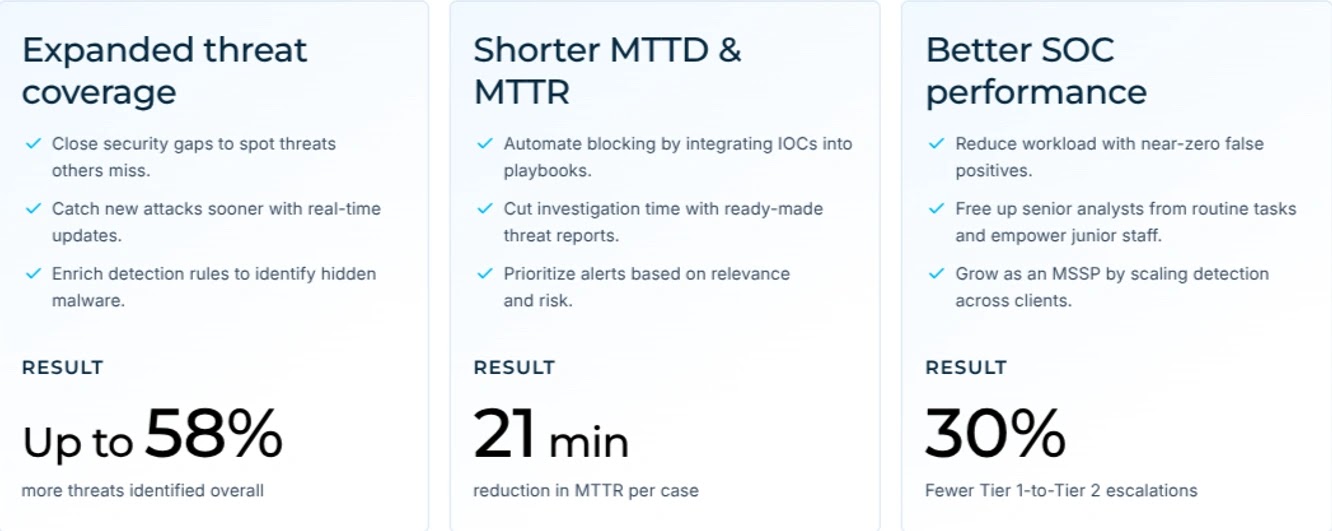
The integration of continuously updated threat intelligence directly addresses several critical operational hurdles. These include the prevalence of stale detection rules that miss emerging threats, the overwhelming volume of alert noise that bogs down analysts, the time-consuming bottlenecks associated with manual threat enrichment, and the slow handoffs that often delay incident response.
Empowering Analysts with Automated Intelligence
Achieving a high-performance SOC characterized by a reduced MTTR hinges on providing security analysts with timely and relevant intelligence, delivered automatically. This capability is not a future aspiration but a deployable solution available to organizations today. Implementing such systems allows for proactive threat detection and more efficient, automated responses, moving beyond reactive security postures.
Disclaimer: HackersRadar reports on cybersecurity threats and incidents for informational and awareness purposes only. We do not engage in hacking activities, data exfiltration, or the hosting or distribution of stolen or leaked information. All content is based on publicly available sources.








No Comment! Be the first one.