



Education Sector Targeted by State-Sponsored Cyberattacks
Key Takeaways The global education sector, including universities and research institutions, has seen a dramatic increase in state-sponsored cyberattacks during Q1 2026. Advanced Persistent Threat...

Key Takeaways
- The global education sector, including universities and research institutions, has seen a dramatic increase in state-sponsored cyberattacks during Q1 2026.
- Advanced Persistent Threat (APT) campaigns targeting educational entities surged from zero in Q4 2025 to account for 20% of all observed APT activity in Q1 2026.
- China-linked groups such as MISSION2074, Stone Panda, Hafnium, and Lotus Blossom are the most active state-sponsored actors, alongside Iran’s Charming Kitten.
- Attackers are primarily targeting email, FTP, and SSHD servers, indicating a focus on intellectual property and institutional communications rather than network infrastructure disruption.
- While ransomware attacks declined slightly, the sector remains vulnerable to spear-phishing and supply chain compromises.
Education Sector Under Siege by State-Sponsored Cyber Espionage
In a significant escalation of cyber warfare, the global education sector, encompassing academic institutions, universities, and research facilities, has become a prime target for state-sponsored cyberattacks in the first quarter of 2026. A recent report highlights a concerning surge in sophisticated spear-phishing, complex supply chain breaches, and advanced persistent threat (APT) campaigns, placing these critical organizations on high alert.
Table Of Content
Analysis from Q1 2026 reveals that the education sector was implicated in a remarkable 20% of all identified APT campaigns. This represents a stark increase from the preceding quarter, where no APT activity against education institutions was recorded, as detailed in the comprehensive report “Education Sector Under Attack From State Espionage, Spear Phishing, and Supply Chain Attacks”.
State-Sponsored Actors Dominate Threat Landscape
A particularly alarming development is the consistent involvement of state-sponsored threat actors in all observed APT campaigns targeting educational institutions. Unlike other sectors often plagued by financially motivated cybercriminals, the attacks on education are exclusively linked to nation-state interests.
Chinese-backed groups are at the forefront of this malicious activity. MISSION2074 alone orchestrated four distinct campaigns, closely followed by notorious groups such as Stone Panda, Hafnium, and Lotus Blossom. Beyond China, Iran-linked Charming Kitten was the sole non-Chinese state actor identified, with its operations aligning with Iran’s established pattern of targeting academic and research institutions across the Middle East, including Gulf states like Saudi Arabia, Qatar, Kuwait, Bahrain, and Oman.
Analysts at Cyfirma uncovered a broad victim distribution across 27 countries. The United States reported the highest number of incidents, with the United Kingdom, Japan, India, South Korea, and Germany also experiencing significant targeting. The geographic spread in the education sector is notably wider than in many other industries, with European nations appearing more frequently than in the Asia-Pacific region. Myanmar and Hong Kong also registered in the mid-frequency tier, consistent with China’s targeting of diaspora communities and regional research bodies.
Attack Vectors: Spear-Phishing and Supply Chain Vulnerabilities
Beyond the direct APT campaigns, other cyber incidents in Q1 2026 primarily involved supply chain attacks and sophisticated spear-phishing techniques. The education sector accounted for 12 tracked cyber incidents, representing 1.49% of all industry-linked incidents, placing it tenth among 14 monitored sectors. While this percentage might seem modest, researchers caution that it likely indicates significant under-reporting, a concern amplified by the high volume of APT activity observed concurrently.
In terms of ransomware, the education sector saw 54 verified victims in Q1 2026, a 25% decrease from 72 victims in the previous quarter. Universities and research institutes bore the brunt of these attacks, followed by public schools and school districts. The ransomware group Interlock displayed a pronounced focus on education, dedicating 27.3% of its total attacks to organizations within this sector. This concentration is considerably higher than the average of approximately 7% seen among other ransomware gangs with more than two victims.
State Espionage and Targeted Technology Access
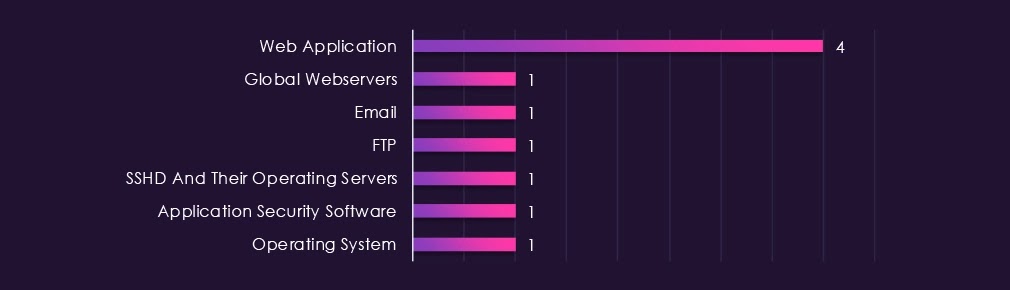
The unique aspect of attacks on the education sector lies not only in the perpetrators but also in their methods and objectives. Unlike most industries where threat actors prioritize network infrastructure like VPNs and routers, attackers targeting education are focusing on email, FTP, and SSHD servers. This specific targeting profile strongly suggests an aim to exfiltrate sensitive research data and institutional communications, rather than merely disrupting operations.
This strategic focus on intellectual property held by universities and research institutions aligns perfectly with nation-state espionage objectives. Academic bodies often house highly sensitive information, from government-funded scientific research to defense-related studies, making them invaluable sources of intelligence for foreign adversaries seeking an advantage without direct military confrontation. While web applications recorded the highest number of overall attacks, the margin over other categories was narrower than in other sectors, reinforcing the idea that communication channels are as much a target as public-facing systems.
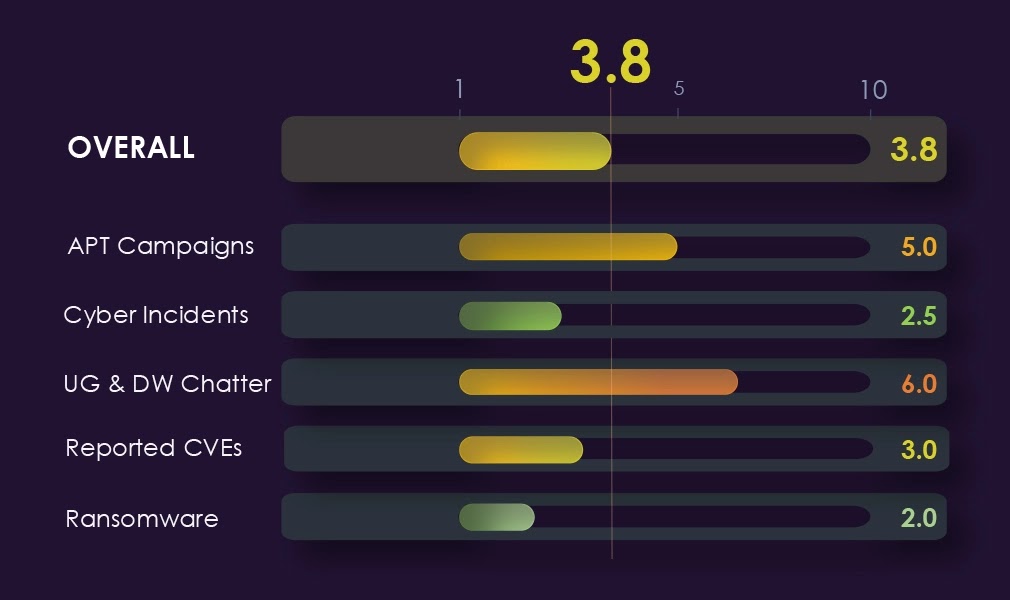
Further compounding these concerns, dark web telemetry indicates a dramatic increase in hacktivism-related discussions, surging more than sevenfold from 28 to 216 mentions over the 90-day period. Additionally, DDoS-related chatter spiked sharply in the last 30 days, jumping from just 9 to 214 mentions, suggesting coordinated, ideologically motivated disruption campaigns are occurring alongside state-sponsored espionage.
What You Should Do
In response to the escalating threat landscape, education organizations must implement robust cybersecurity measures. Based on the Q1 2026 findings, the following mitigation steps are strongly advised:
- Harden email, FTP, and SSHD server configurations. Implement stringent access controls, as these servers are identified as primary entry points for state-sponsored campaigns.
- Conduct regular security audits of all third-party software and vendors. This proactive approach helps detect and respond to potential supply chain compromises early.
- Provide comprehensive training to staff and faculty. Focus on identifying spear-phishing emails, especially those attempting to impersonate institutional contacts or academic partners.
- Promptly patch all known vulnerabilities. Prioritize patches for Remote Code Execution (RCE) and injection-type CVEs, which were highly exploited earlier in the quarter.
- Actively monitor dark web channels for any mentions of institutional data. This helps in early detection of potential breaches or planned attacks.
- Implement multi-factor authentication (MFA) across all institutional platforms. This is particularly crucial for research collaboration tools and administrative systems.
Disclaimer: HackersRadar reports on cybersecurity threats and incidents for informational and awareness purposes only. We do not engage in hacking activities, data exfiltration, or the hosting or distribution of stolen or leaked information. All content is based on publicly available sources.








No Comment! Be the first one.