




Critical WordPress Plugin Bug Lets Attackers Bypass Auth, Gain Admin Access
Key Takeaways A critical authentication bypass vulnerability (CVE-2026-1492) has been discovered in the WordPress User Registration & Membership plugin. The flaw allows unauthenticated attackers...

Key Takeaways
- A critical authentication bypass vulnerability (CVE-2026-1492) has been discovered in the WordPress User Registration & Membership plugin.
- The flaw allows unauthenticated attackers to gain full administrative access to affected WordPress websites without needing credentials.
- All versions of the plugin up to and including 5.1.2 are vulnerable. A patch is available in version 5.1.3.
- The vulnerability carries a CVSS v4.0 score of 9.8, indicating critical severity, and is being actively discussed by threat actors.
Critical Flaw in WordPress Plugin Grants Admin Access
A severe vulnerability in a popular WordPress plugin, “User Registration & Membership,” is exposing thousands of websites to unauthorized administrative control. This critical flaw, identified as CVE-2026-1492, permits attackers to circumvent authentication mechanisms and seize complete administrative access to compromised sites, posing an immediate and significant risk.
Table Of Content
The vulnerability, publicly disclosed on March 3, 2026, has been assigned a CVSS v4.0 score of 9.8, placing it firmly in the Critical severity category. It impacts all iterations of the User Registration & Membership plugin up to and including version 5.1.2. Researchers have noted that the core issue lies in the plugin’s failure to adequately validate user-supplied input and its weak authorization checks within the backend processing logic.
Technical Analysis of CVE-2026-1492
The exploit requires no special privileges or user interaction and can be executed remotely over the internet. Researchers at CYFIRMA were instrumental in identifying and analyzing CVE-2026-1492. Their findings highlight that the vulnerability stems from the plugin’s flawed handling of trust between its publicly exposed frontend and its internal backend operations.
The User Registration & Membership plugin utilizes security tokens, known as nonces, in conjunction with AJAX-based workflows to manage membership-related requests. Crucially, these nonces are embedded within client-side JavaScript on publicly accessible pages, making them readily available to any visitor, even those who are not logged in. An attacker can extract these exposed values to craft a malicious request. This crafted request then triggers privileged backend actions, completely bypassing the intended authentication process.
The consequences of a successful exploit are dire. Once administrative control is obtained, an attacker can perform a wide range of malicious activities. This includes installing or modifying plugins, exfiltrating sensitive user data, altering website content, creating clandestine administrator accounts, and implanting backdoors for persistent access. Furthermore, a compromised site can be weaponized to redirect visitors to phishing pages or malware distribution platforms, directly endangering the site’s user base.
Active Exploitation Discussions Underway
Intelligence gathered from underground forums indicates that threat actors are already actively discussing and sharing methods to exploit this vulnerability. Initial Access Brokers (IABs) are likely to leverage this flaw to gain administrative footholds, which can then be resold for subsequent criminal operations such as ransomware deployment, credential theft, and SEO spam campaigns. This demonstrated interest underscores the immediate and significant threat this vulnerability poses, demanding urgent attention from site administrators.
Inside the Exploitation Workflow
The attack sequence typically begins with an attacker identifying a target WordPress site running the vulnerable plugin. The publicly accessible membership pricing page serves as a primary entry point into the site’s backend systems.
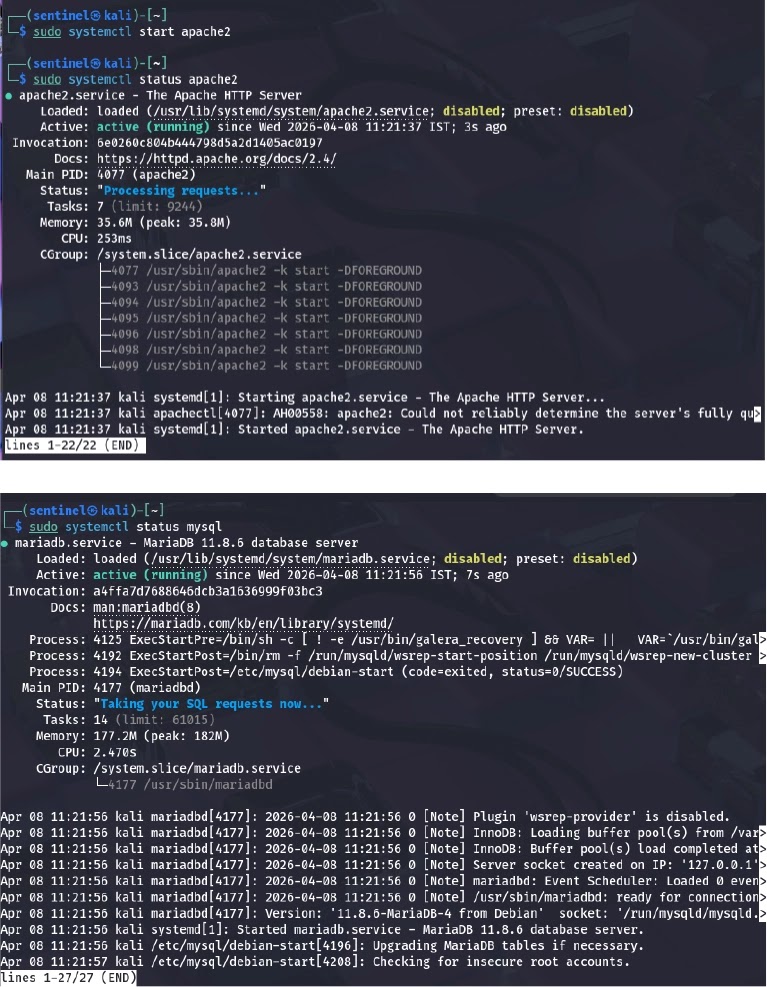
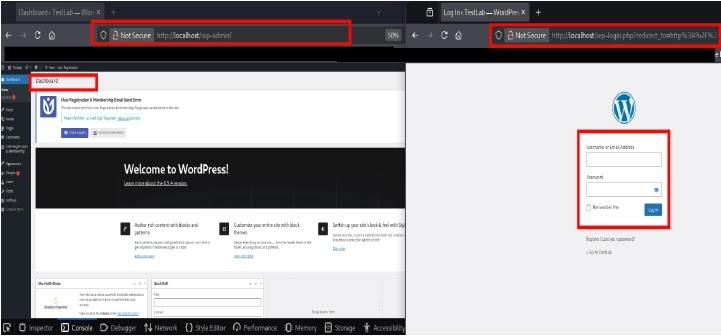
Utilizing browser developer tools, an attacker can inspect the JavaScript on the membership page, revealing nonce values and AJAX endpoint details that should remain protected. With these extracted values, a specially crafted payload is sent to the /wp-admin/admin-ajax.php endpoint. The plugin’s backend processes this request without proper authorization checks, leading to the attacker being logged in and redirected to the WordPress admin dashboard—all without providing any valid credentials.
What You Should Do
- Update Immediately: The most crucial step is to update the User Registration & Membership plugin to version 5.1.3 or higher, where the vulnerability has been patched.
- Review Admin Accounts: After applying the patch, conduct a thorough review of all administrator accounts. Remove any accounts that were created without proper authorization or appear suspicious.
- Invalidate Sessions & Reset Credentials: Invalidate all active user sessions, particularly those tied to potentially compromised or suspicious accounts. Promptly reset credentials for any unknown or potentially compromised accounts.
- Enforce Strict Input Validation: Ensure strict server-side validation for all user-supplied input, especially for values related to role assignments or critical functions.
- Control Endpoint Access: Implement tight access controls for sensitive endpoints, such as
/wp-admin/admin-ajax.php, to prevent unauthorized interaction. - Protect Internal Tokens: Ensure that internal security tokens, like nonces, are never exposed on publicly accessible web pages.
- Implement Least Privilege: Apply the principle of least privilege across all user roles on your WordPress site.
- Monitor for Anomalies: Maintain continuous monitoring for abnormal AJAX requests, unexpected privilege escalations, or any other suspicious activity on your site.
Disclaimer: HackersRadar reports on cybersecurity threats and incidents for informational and awareness purposes only. We do not engage in hacking activities, data exfiltration, or the hosting or distribution of stolen or leaked information. All content is based on publicly available sources.








No Comment! Be the first one.