



Hackers News Hackers News
  • CyberSecurity News
  • Threats
  • Attacks
  • Vulnerabilities
  • Breaches
  • Comparisons

Social Media

Hackers News Hackers News
  • CyberSecurity News
  • Threats
  • Attacks
  • Vulnerabilities
  • Breaches
  • Comparisons
Search the Site
Popular Searches:
technology Amazon AI
Recent Posts
FortiBleed Vulnerability Exploited by INC and Lynx Ransomware to Steal Passwords
July 2, 2026
WhatsApp Username Reservations Raise Security Concerns for 2 Billion Users
July 2, 2026
Alleged Scattered Spider Member Extradited to US for 100+ Network Hacks
July 2, 2026
Home/Threats/North Korean Hackers Adopted AI to Generate Malware Attacking Developers and Engineering Teams
Threats

North Korean Hackers Adopted AI to Generate Malware Attacking Developers and Engineering Teams

North Korea-aligned hackers have launched a novel campaign, transforming artificial intelligence into a weapon to attack software teams. Using AI-written PowerShell code, the group known as KONNI is...

Sarah simpson
Sarah simpson
January 23, 2026 2 Min Read
32 0

North Korea-aligned hackers have launched a novel campaign, transforming artificial intelligence into a weapon to attack software teams.

Using AI-written PowerShell code, the group known as KONNI is delivering a stealthy backdoor that blends real project content with malicious scripts.

This operation shows how fast threat actors are adopting AI tools to speed up development and hide their tracks.

In the latest wave, KONNI is targeting developers and engineering teams working on blockchain and crypto projects across the Asia‑Pacific region, including Japan, Australia, and India.

The attackers craft detailed requirement papers that look like real product briefs, describing trading bots, credential systems, and delivery roadmaps, then deliver them as PDF lures.
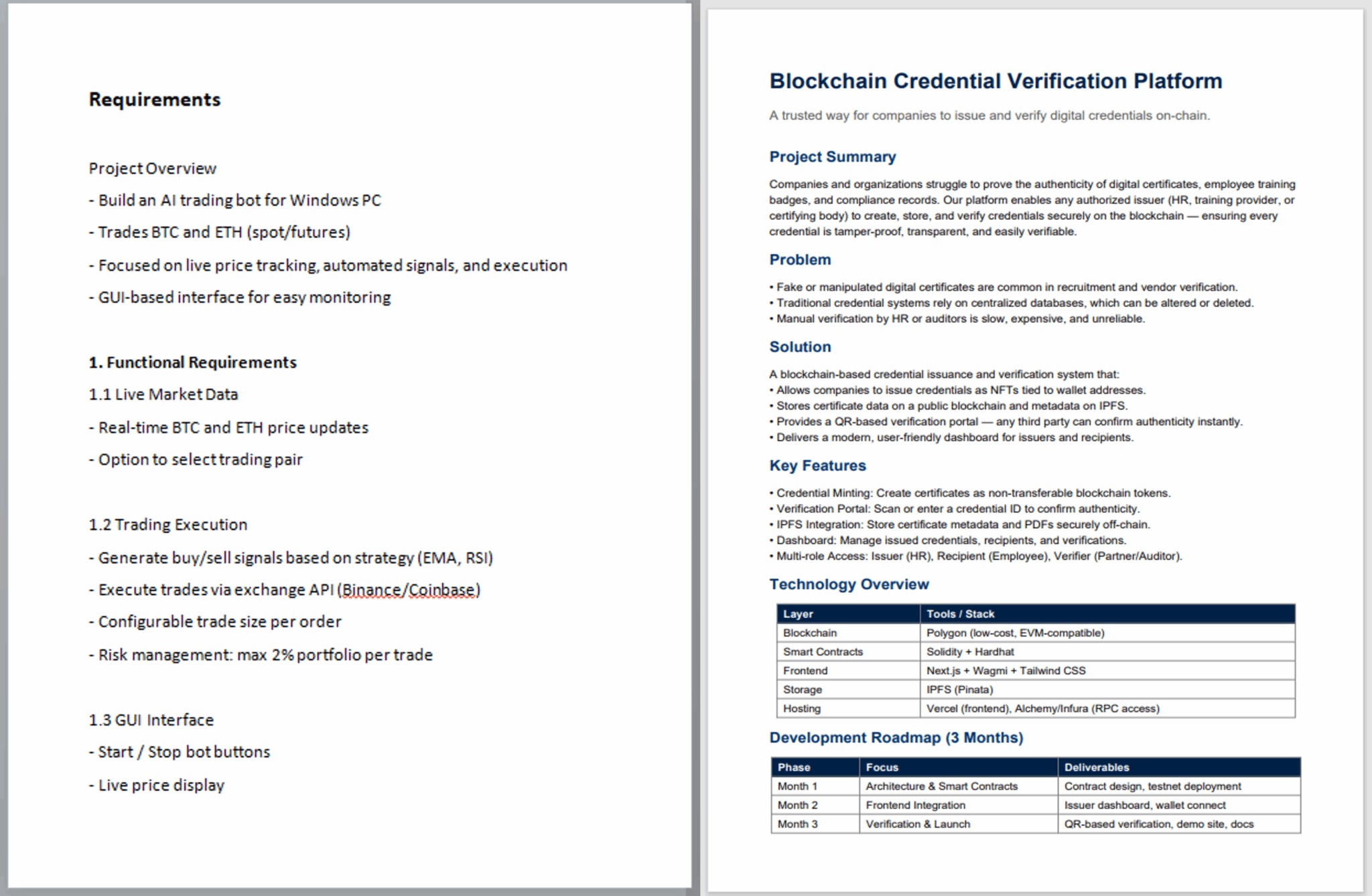
Blockchain themed lures used in this campaign (Source - Check Point)
Blockchain themed lures used in this campaign (Source – Check Point)

These documents are designed to win the trust of technical staff and draw them into opening attached shortcut files that silently start the infection chain.

Check Point researchers identified the activity as part of the long‑running KONNI cluster and noted that the payload is an AI‑generated PowerShell backdoor with extensive comments and clean structure.

This backdoor does more than open a remote door; it gathers hardware details, checks for debugging tools, and ensures only one copy runs at a time, all while maintaining a professional, developer‑style layout.

For victim organizations, the risk goes far beyond a single compromised workstation. By targeting developers who hold access to repositories, cloud consoles, and signing keys, KONNI can pivot from one infected endpoint into entire build pipelines or production systems.

Infection Chain and Persistence Tactics

The attack begins when a target opens the ZIP archive and double‑clicks a Windows shortcut file that sits next to the PDF lure.

That shortcut runs an embedded PowerShell loader, which quietly drops a second lure document and a compressed CAB archive.
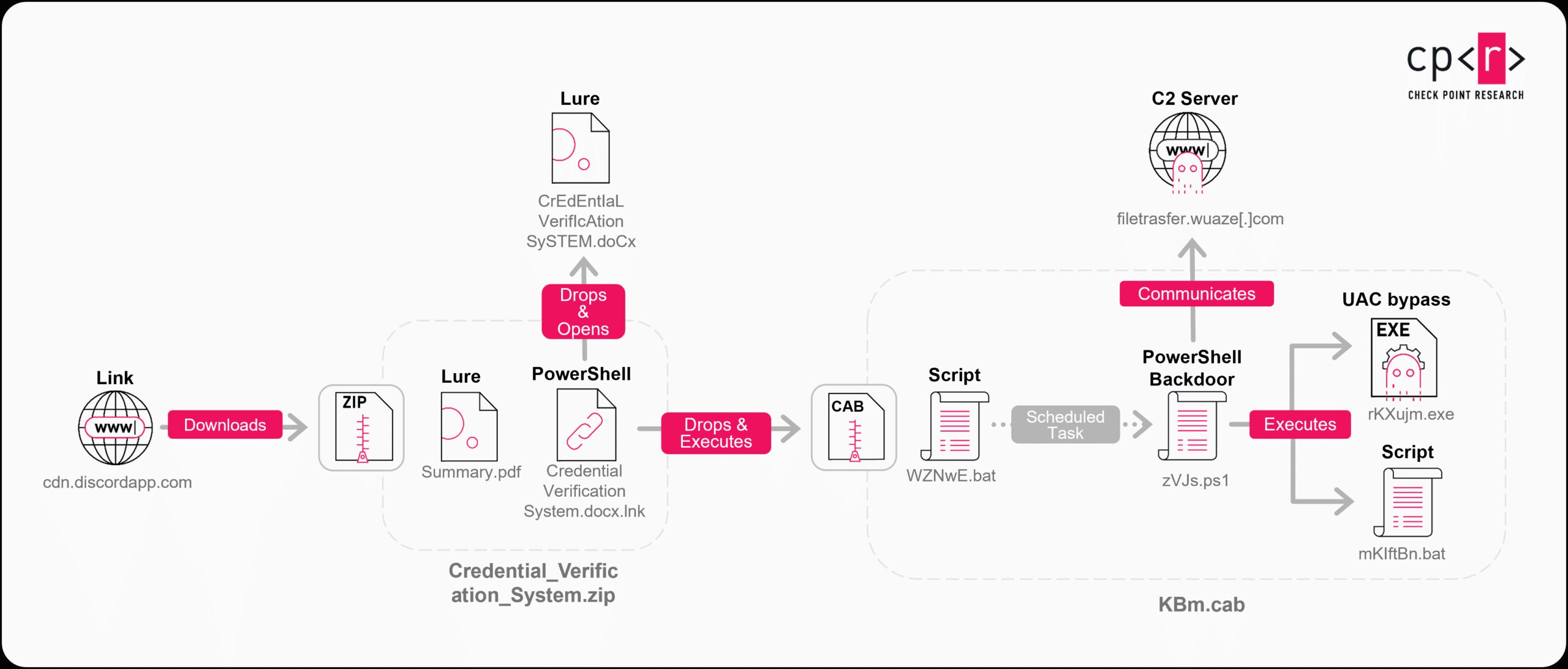
Infection Chain (Source - Check Point)
Infection Chain (Source – Check Point)

From there, batch files unpacked from the CAB archive move the backdoor into a hidden ProgramData folder and create a scheduled task that mimics a OneDrive startup entry.
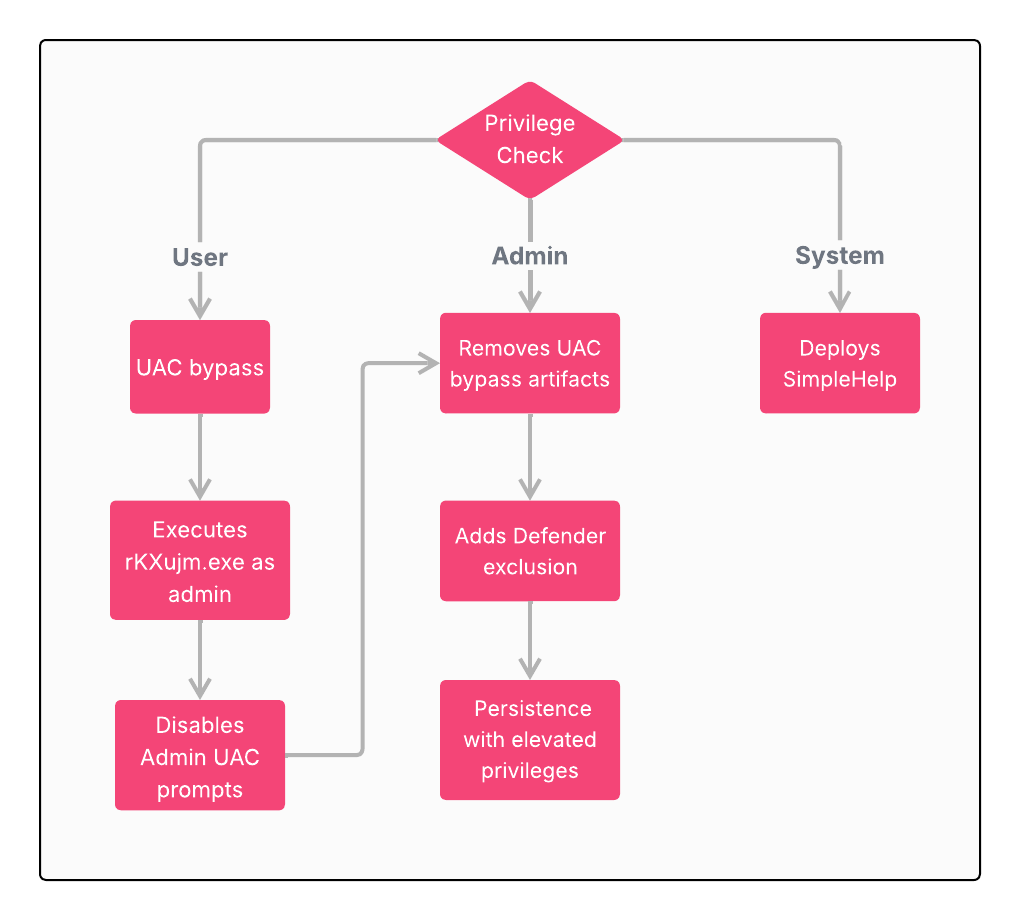
Privilege-Based Execution Flow (Source - Check Point)
Privilege-Based Execution Flow (Source – Check Point)

This task runs every hour, decrypts the PowerShell payload from disk using a simple XOR key, and executes it directly in memory, keeping the core malware file‑less during runtime and making incident response far more difficult.

Disclaimer: HackersRadar reports on cybersecurity threats and incidents for informational and awareness purposes only. We do not engage in hacking activities, data exfiltration, or the hosting or distribution of stolen or leaked information. All content is based on publicly available sources.


Tags:

AttackHackerMalwareThreat

Share Article

Sarah simpson

Sarah simpson

Sarah is a cybersecurity journalist specializing in threat intelligence and malware analysis. With over 8 years of experience covering APT groups, zero-day exploits, and advanced persistent threats, Sarah brings deep technical expertise to breaking cybersecurity news. Previously, she worked as a security researcher at leading threat intelligence firms, where she analyzed malware samples and tracked cybercriminal operations. Sarah holds a Master's degree in Computer Science with a focus on cybersecurity and is a regular contributor to major security conferences.

Previous Post

Nike Allegedly Hacked by WorldLeaks Ransomware Group

Next Post

TrustAsia Revoked 143 Certificates Following LiteSSL ACME Service Vulnerability

No Comment! Be the first one.

Leave a Reply Cancel reply

Your email address will not be published. Required fields are marked *

Popular Posts
Critical Cursor IDE RCE Vulnerabilities Allow Zero-Click Prompt Injection
July 1, 2026
Automated Password Spray Attacks Target Microsoft Azure CLI
July 1, 2026
Reduce Alert Fatigue to Improve SOC Efficiency and Cut Business Costs
July 1, 2026
Top Authors
Marcus Rodriguez
Marcus Rodriguez
Jennifer sherman
Jennifer sherman
Emy Elsamnoudy
Emy Elsamnoudy
Let's Connect
156k
2.25m
285k

Related Posts

Jennifer sherman
By Jennifer sherman
Threats

GlassWorm Attacks macOS via Malicious VS Code…

January 1, 2026
Emy Elsamnoudy
By Emy Elsamnoudy
Attacks

ClickFix Attack Hides Malicious Code via Stegan Security

January 1, 2026
Sarah simpson
By Sarah simpson
Vulnerabilities

MongoBleed Detector Tool Released to Detect MongoDB Vulnerability(CVE-2025-14847)

January 1, 2026
Emy Elsamnoudy
By Emy Elsamnoudy
Breaches

Conti Ransomware Gang Leaders & Infrastructure Exposed

January 1, 2026
Hackers News Hackers News
  • [email protected]

Quick Links

  • Contact Us
  • Privacy Policy
  • Terms of service

Categories

Attacks
Breaches
Comparisons
CyberSecurity News
Threats
Vulnerabilities

Let's keep in touch

receive fresh updates and breaking cyber news every day and week!

All Rights Reserved by HackersRadar ©2026

Follow Us





