




Google Rolls Out Long-Awaited @gmail.com Email Change Feature for Users
Google is gradually rolling out the ability for users to change the @gmail.com email address associated with their Google Account to a new @gmail.com address. This feature, previously unavailable,...

Google is gradually rolling out the ability for users to change the @gmail.com email address associated with their Google Account to a new @gmail.com address.
This feature, previously unavailable, addresses a common pain point for users who regret their original username choice but didn’t want to abandon years of emails, photos, and data.
We already notified you about this update. According to the support pages, the rollout began recently and is expanding to all eligible accounts, though it may not yet be visible to everyone.
Your Google Account email address serves as the primary identifier for signing in to services like Gmail, YouTube, Drive, and Maps. It appears next to your profile picture across Google products and receives critical notifications.
Previously, changing this address required complex workarounds, such as disabling Gmail or switching to non-Gmail domains. Now, for @gmail.com users, a simple swap keeps everything intact while refreshing your digital identity.
This move comes amid growing demand for account flexibility amid heightened privacy concerns. Cybersecurity experts note that it could reduce phishing risks associated with outdated or easily guessable usernames, though users must still verify changes carefully.
How the Change Works: Step-by-Step Process
To check eligibility, visit myaccount.google.com/google-account-email on a computer and sign in. Navigate to “Personal info,” then “Email,” and look for “Google Account email.” If “Change Google Account email” appears, proceed; otherwise, wait for the rollout.
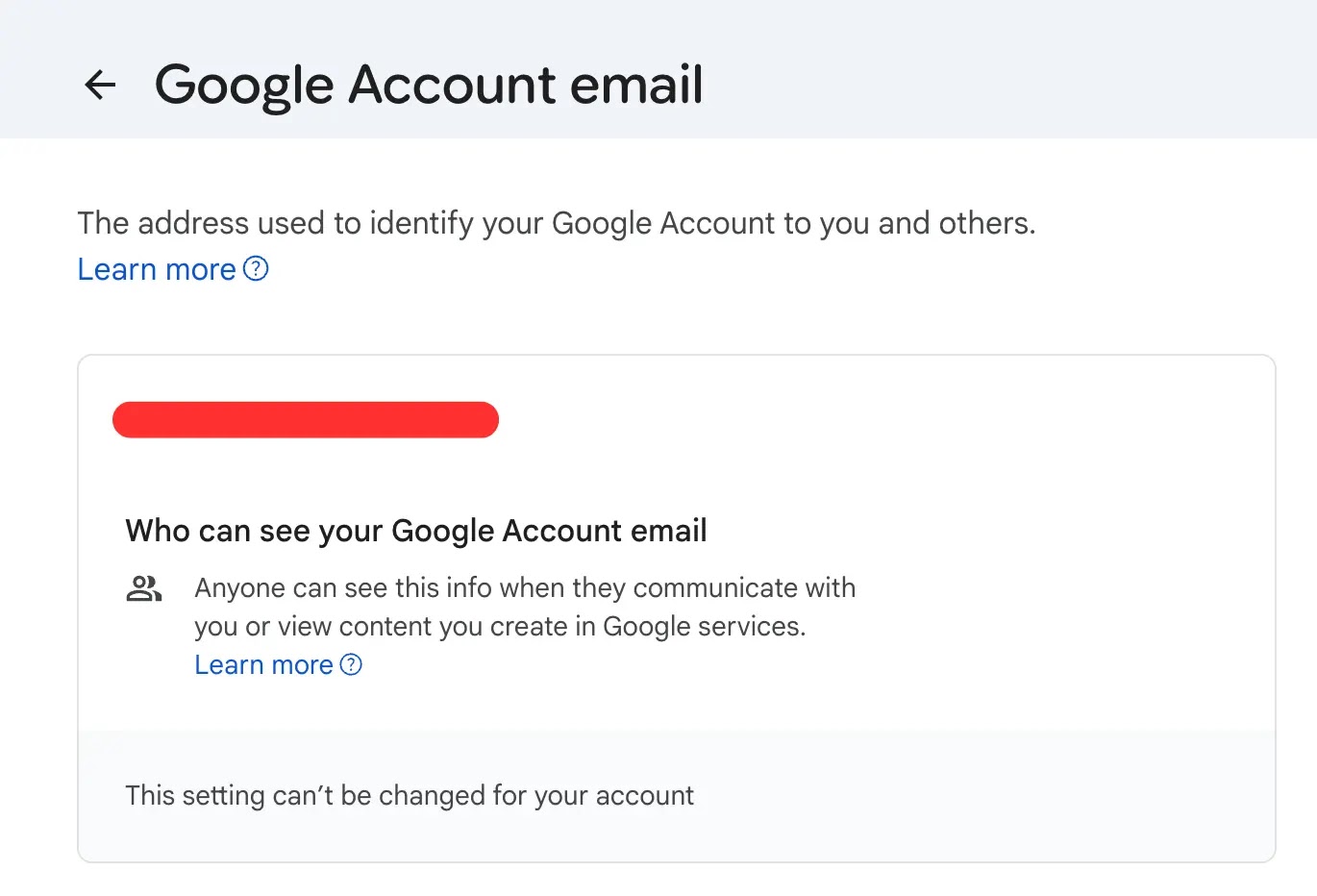
Before confirming, review potential disruptions. Chromebook users should prepare for directory sync issues. Those relying on “Sign in with Google” for third-party sites may need to update linked accounts.
Remote connections via Chrome Remote Desktop may disconnect, requiring a reconnect. Google urges backing up data, preemptively exporting Android device data, syncing Chrome, restoring contacts, securing photos, and preserving Location History. App settings might reset, akin to a fresh device login, so recreate them post-change.
Enter your desired new username, ensuring it’s unused and not recently deleted by another account. Click “Change email,” confirm with “Yes, change email,” and follow on-screen prompts.
Upon completion, your old address becomes an alternate email, receiving notifications alongside the new one. All account data messages, Drive files, and photos remain untouched.
You can sign in with either address across Google services. Reversing the change is straightforward anytime, reverting to the original while retaining the new one as an alternate. However, you cannot create another new @gmail.com address for 12 months or delete the fresh one.
Post-change, visibility persists: the new address shows when sharing Drive files or sending Calendar invites. It stays the main recovery point unless alternates are added. For non-Gmail accounts, options differ: add Gmail or delete it to switch domains, but verify alternates first.
Work or school accounts require admin approval. Importantly, this doesn’t alter your display name; use separate settings for that. While data integrity holds, the 12-month cooldown prevents username squatting, balancing flexibility with abuse prevention.
Security researchers applaud the feature for enabling proactive hygiene, like ditching compromised-feeling addresses without data migration hassles.
Yet, they warn of risks: rushed changes could lock users out if recovery emails lag. Always enable two-factor authentication and test logins immediately.
Google’s phased rollout ensures stability, but impatient users might explore alternatives meanwhile. This update underscores the company’s evolution toward user-centric controls, potentially setting a precedent for rivals like Microsoft. As adoption grows, monitor your account dashboard. Your turn could come soon.
Disclaimer: HackersRadar reports on cybersecurity threats and incidents for informational and awareness purposes only. We do not engage in hacking activities, data exfiltration, or the hosting or distribution of stolen or leaked information. All content is based on publicly available sources.









No Comment! Be the first one.