




Best Device Control & USB Security Tools for 2026
Key Takeaways USB ports and other removable media remain critical vectors for both malware ingress and data exfiltration, necessitating robust device control. Effective device control solutions must...

Key Takeaways
- USB ports and other removable media remain critical vectors for both malware ingress and data exfiltration, necessitating robust device control.
- Effective device control solutions must offer granular policy enforcement, including serial-level allowlisting and mandatory encryption for data leaving endpoints.
- The market for 2026 sees Safetica — 8.0/10 · strong DLP-integrated device control leading in comprehensive DLP integration, while Ivanti (DeviceLock) — 8.1/10 · deepest Windows granularity excels in Windows-specific control.
- Organizations must distinguish between standalone device control and integrated DLP solutions, as their capabilities and pricing models differ significantly.
- Due diligence on vendor security is crucial, particularly for providers listed in CISA’s Known Exploited Vulnerabilities catalog.
Removable media, particularly USB drives, continues to present a significant dual threat to organizational security: they serve as conduits for introducing malicious software and as vectors for unauthorized data egress. Device control solutions are engineered to mitigate these risks by regulating which devices can connect to endpoints, based on criteria such as device class, vendor identification, or even unique serial numbers. These tools also dictate permissible actions for connected devices, often enforcing encryption on any data transferred.
Table Of Content
- Key Takeaways
- Ownership Notes Impacting Vendor Strategy
- CoSoSys Joins Netwrix
- Digital Guardian Acquired by Fortra
- The 2026 Device Control Scorecard
- How We Scored
- The Ten, Scored
- 1. Safetica — 8.0/10 · strong DLP-integrated device control
- 2. Ivanti (DeviceLock) — 8.1/10 · deepest Windows granularity
- 3. DriveLock — 8.0/10 · best European compliance fit
- 4. ManageEngine — 7.9/10 · best value
- 5. Trellix — 7.6/10 · best inside a Trellix DLP estate
- 6. Sophos — 7.6/10 · simplest for generalist teams
- 7. Forcepoint — 7.4/10 · best with behavioural DLP
- 8. Digital Guardian (Fortra) — 7.4/10 · deepest DLP integration
- 9. Broadcom (Symantec) — 7.3/10 · strong tech, evaluate the commercials
- 10. CrowdStrike Falcon Device Control — 8.0/10 · strong endpoint-native device control
- Buyer’s Guide
- Frequently Asked Questions
- What is device control software?
- What is the best device control tool in 2026?
Implementing robust controls over removable storage is not merely a best practice; it is a fundamental pillar for preventing data exfiltration and maintaining the integrity of a Zero Trust Architecture. While numerous solutions exist, our analysis for 2026 highlights CoSoSys Endpoint Protector (now part of Netwrix) for its extensive cross-platform capabilities, Ivanti’s DeviceLock for unparalleled granularity within Windows environments, and DriveLock for its strong alignment with European compliance standards. Below, we detail our scoring methodology and vendor evaluations, prefaced by important considerations regarding recent corporate acquisitions.
Ownership Notes Impacting Vendor Strategy
Understanding recent shifts in vendor ownership is crucial for procurement and strategic planning, as these changes can influence product roadmaps, support structures, and negotiation leverage.
CoSoSys Joins Netwrix
The acquisition of CoSoSys, the developer of Endpoint Protector, by Netwrix concluded in 2024. Endpoint Protector now operates under the Netwrix brand. For organizations already considering Netwrix for privilege management or auditing solutions, this consolidation streamlines procurement, allowing for a single negotiation that covers multiple aspects of endpoint security, thereby optimizing best practices and potentially reducing costs.
Digital Guardian Acquired by Fortra
Digital Guardian has been integrated into Fortra, a company that has significantly expanded its security portfolio through various acquisitions from the former HelpSystems. Digital Guardian’s device control capabilities are delivered as an integral component of its comprehensive Data Loss Prevention (DLP) platform. This means that organizations seeking Digital Guardian’s device control will be investing in a full DLP suite, which carries a different functional scope and price point compared to standalone device control tools.
The 2026 Device Control Scorecard
| Rank | Tool | Control granularity (30%) | Platform coverage (25%) | DLP integration (20%) | Operability (15%) | Value (10%) | Total |
| 1 | Safetica | 9 | 9 | 10 | 8 | 8 | 8.9 |
| 2 | Ivanti (DeviceLock) | 10 | 7 | 8 | 7 | 7 | 8.1 |
| 3 | DriveLock | 9 | 8 | 7 | 8 | 7 | 8.0 |
| 4 | ManageEngine | 8 | 8 | 7 | 8 | 9 | 7.9 |
| 5 | Trellix | 8 | 8 | 9 | 6 | 6 | 7.6 |
| 6 | Broadcom (Symantec) | 8 | 8 | 9 | 5 | 5 | 7.3 |
| 7 | Forcepoint | 8 | 8 | 9 | 6 | 5 | 7.4 |
| 8 | Digital Guardian (Fortra) | 8 | 8 | 10 | 5 | 5 | 7.4 |
| 9 | Sophos | 7 | 8 | 7 | 9 | 8 | 7.6 |
| 10 | CrowdStrike Falcon Device Control | 8 | 8 | 7 | 9 | 6 | 7.9 |
Weighted averages are rounded to one decimal place. These are editorial assessments based on research, not results from lab benchmarks.
How We Scored
Our scoring methodology is research-driven, without claims of laboratory testing. We prioritized several key areas for evaluation:
- Granularity (30%): This factor assesses the depth of control, including the ability to set rules by device class, Vendor ID/Product ID (VID/PID), serial number, support for read-only modes, and provisions for temporary offline access.
- Platform Coverage (25%): We evaluated the parity of features and control across Windows, macOS, and Linux operating systems.
- DLP Integration (20%): This criterion examines content awareness for copied data, enforced encryption capabilities, and file shadowing features.
- Operability (15%): This evaluates ease of deployment, management, and day-to-day use.
- Value (10%): This considers the overall cost-effectiveness, including pricing models and features offered relative to price.
The Ten, Scored
1. Safetica — 8.0/10 · strong DLP-integrated device control
Why: Safetica excels by merging robust device control with its broader Data Loss Prevention (DLP) platform. This integration allows organizations to not only manage removable devices but also to monitor and safeguard sensitive data as it traverses these channels.
Strengths: Safetica offers granular control over USB and other peripherals, including device blocking and allowlisting. It provides comprehensive monitoring of removable media activity and its DLP integration ensures content-aware data protection. This makes it an ideal choice for organizations seeking a unified platform for device control and data protection.
Trade-offs: The extensive DLP functionality can introduce complexity in deployment and policy management. It may also offer less depth in endpoint security ecosystem integration compared to platforms like CrowdStrike. Organizations with highly specialized device control requirements should conduct thorough pilot testing to validate platform and device coverage.
2. Ivanti (DeviceLock) — 8.1/10 · deepest Windows granularity
Why: Achieving a perfect score for granularity, DeviceLock leverages two decades of development to provide unparalleled depth in controlling Windows channels. Its capabilities, including per-serial rules, read-only modes, time-based access windows, and control over clipboard and printing, remain unmatched for Windows-centric environments.
Strengths: DeviceLock offers unmatched control over Windows channels, extending to the clipboard and print functions. It supports serial-level device rules and provides essential shadow copies of transferred data for forensic purposes.
Trade-offs: Its depth of macOS/Linux support lags behind competitors like CoSoSys. Furthermore, Ivanti’s recurring presence in the CISA Known Exploited Vulnerabilities catalog necessitates rigorous vendor security due diligence.
3. DriveLock — 8.0/10 · best European compliance fit
Why: This German specialist delivers robust device control alongside application control and BitLocker management. DriveLock’s focus aligns with modern Data Security Posture Management (DSPM) rather than traditional DLP, emphasizing data residency and familiarity with European works council requirements—factors highly valued by European buyers.
Strengths: DriveLock provides solid granularity in device control, benefits from being an EU vendor with local hosting options, and integrates both device and application control. Its reporting features are strong, catering well to GDPR-driven audit requirements.
Trade-offs: Its market presence is smaller outside of Europe, and its ecosystem integration is narrower compared to broader platform vendors.
4. ManageEngine — 7.9/10 · best value

Why: Device Control Plus offers essential capabilities such as class and device-level rules, file shadowing, and temporary access, all with transparent, published pricing. It integrates seamlessly with ManageEngine’s automated patch management software and includes a free tier suitable for smaller deployments.
Strengths: Key advantages include transparent pricing, a free tier for small fleets, straightforward deployment, and seamless integration within the broader ManageEngine ecosystem.
Trade-offs: Its content-aware DLP depth is not as advanced as specialized solutions, and its macOS coverage is less comprehensive than its Windows capabilities.
5. Trellix — 7.6/10 · best inside a Trellix DLP estate
Why: Trellix delivers device control as an integrated component of its comprehensive DLP suite. This allows for shared classifications and streamlined incident workflows across endpoint and network DLP, particularly beneficial for organizations already invested in the Trellix ecosystem and feeding telemetry into centralized SOC tools.
Strengths: Offers unified DLP policy management and evidence collection, mature content awareness capabilities, and management rooted in the ePO lineage.
Trade-offs: The solution can be overly complex and heavyweight if only device control is required. Furthermore, ongoing portfolio consolidation within Trellix necessitates a detailed roadmap discussion during evaluation.
6. Sophos — 7.6/10 · simplest for generalist teams
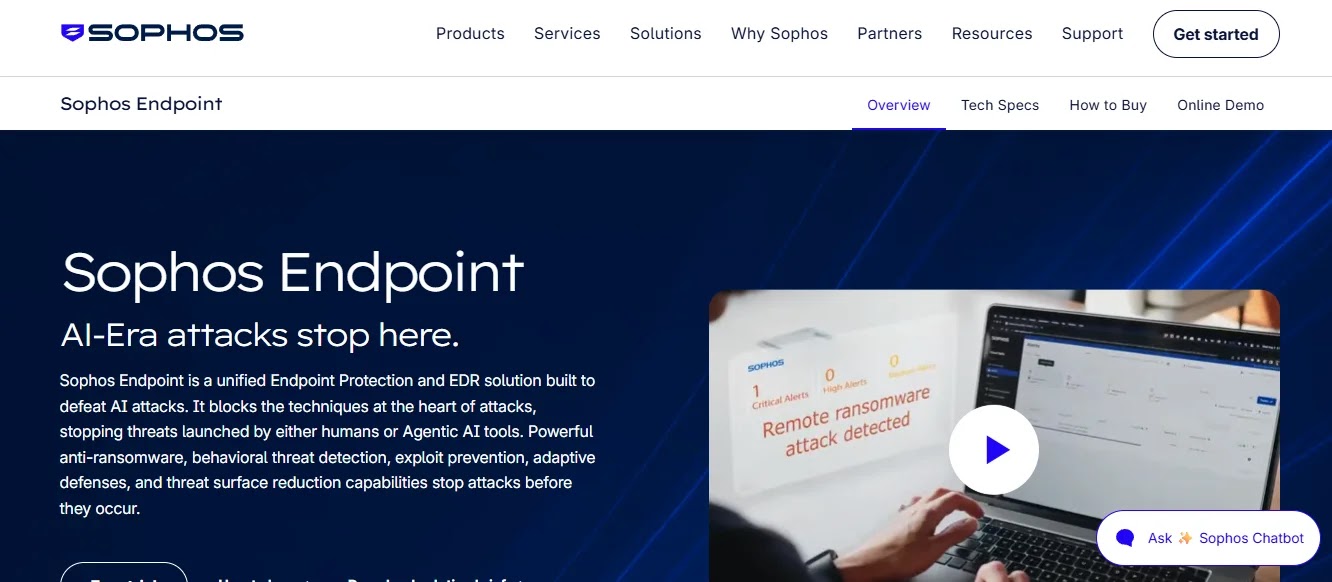
Why: Sophos provides peripheral control seamlessly integrated within its Sophos Central endpoint policy. It earns the highest operability score due to its ease of adoption for existing Sophos Endpoint Detection and Response (EDR) customers, where it functions as a simple configuration rather than a new project.
Strengths: Requires no additional agent, operates from a single console, features sensible default configurations, and offers good value as part of a bundled solution.
Trade-offs: Its granularity and file shadowing capabilities are less advanced than those of specialized device control tools. It may not be suitable for highly regulated environments requiring extensive evidence collection.
7. Forcepoint — 7.4/10 · best with behavioural DLP
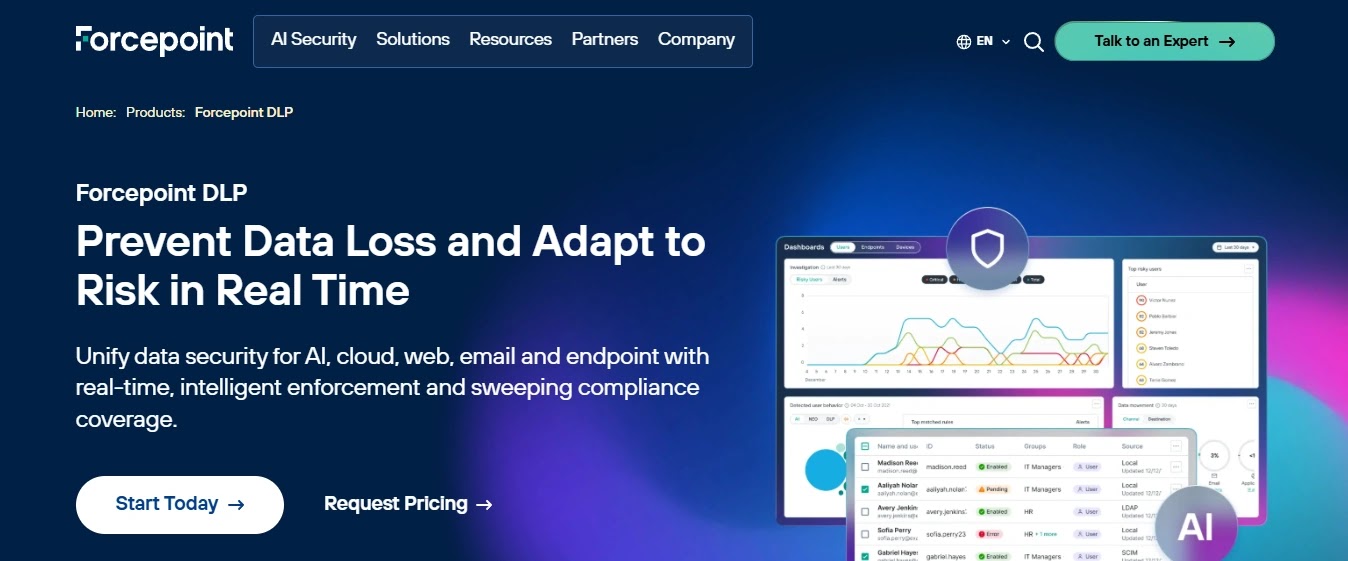
Why: Forcepoint’s device control is embedded within its DLP platform, offering risk-adaptive enforcement that dynamically adjusts policies based on user behavior and integrates with broader Extended Detection and Response (XDR) platforms.
Strengths: Features risk-adaptive policy enforcement, deep content classification capabilities, and a strong heritage in regulated industries.
Trade-offs: This solution requires purchasing a full DLP platform. Furthermore, the Forcepoint portfolio has experienced several ownership changes, necessitating confirmation of its current organizational structure.
8. Digital Guardian (Fortra) — 7.4/10 · deepest DLP integration

Why: Digital Guardian achieves a perfect score for DLP integration. Device events are seamlessly incorporated into a comprehensive endpoint DLP telemetry stream, providing forensic-grade visibility. This capability supports specialized threat hunting and investigation tools, making it highly favored in industries sensitive to intellectual property theft.
Strengths: Offers forensic-level depth in data visibility, a robust managed-service option, and cross-platform agents for diverse environments.
Trade-offs: The platform’s extensive features and cost may be prohibitive if only basic device control is needed. Prospective buyers should also confirm Fortra’s current portfolio positioning and support structure.
9. Broadcom (Symantec) — 7.3/10 · strong tech, evaluate the commercials

Why: Symantec DLP’s device control remains technically superior, offering deep content awareness and aligning with advanced endpoint threat detection standards. However, its score for operability and value has been impacted by changes in licensing and support models reported by many customers since the Broadcom acquisition.
Strengths: Features a mature content-aware engine and a proven track record of scalability in massive enterprise environments.
Trade-offs: The commercial relationship and licensing terms require as much scrutiny as the product itself. The solution is primarily oriented towards large enterprises.
10. CrowdStrike Falcon Device Control — 8.0/10 · strong endpoint-native device control
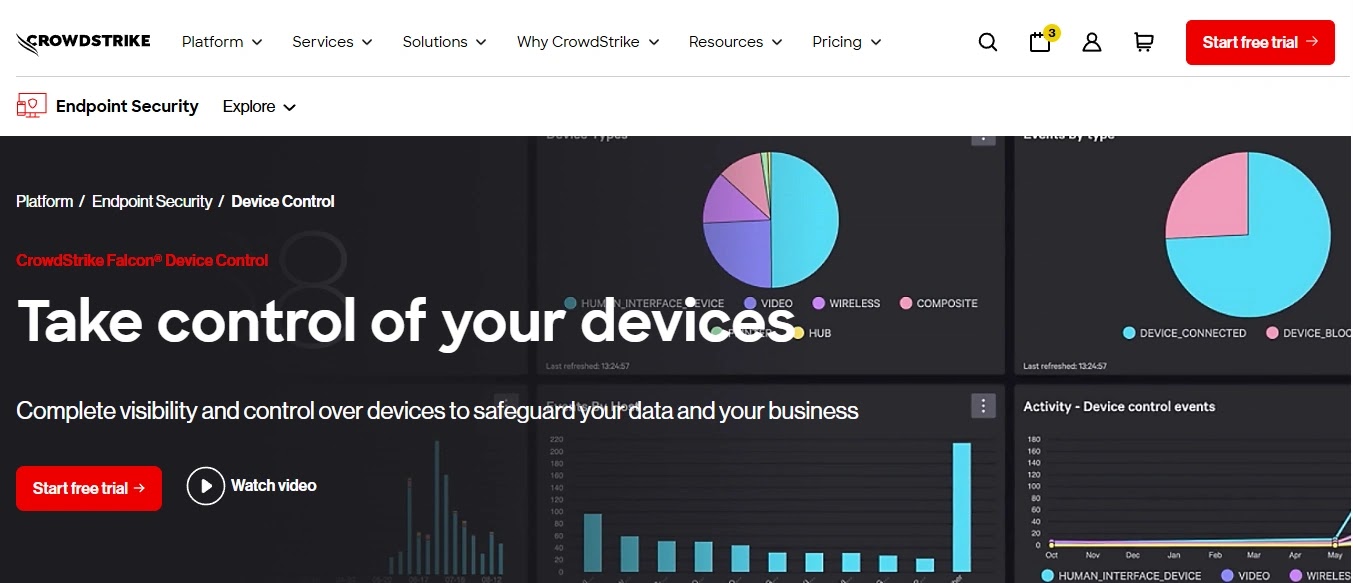
Why: Falcon Device Control provides granular visibility and policy enforcement for removable media. It enables security teams to identify devices and control their interaction with endpoints without necessitating a separate device control platform, leveraging the existing Falcon endpoint agent.
Strengths: Offers robust visibility into USB and other removable media, with policies configurable using device attributes such as vendor, product, model, and serial number. Supports read-only and blocked modes and integrates directly with the Falcon endpoint platform, making it highly beneficial for organizations already standardized on CrowdStrike.
Trade-offs: Maximizes value within the existing Falcon ecosystem. Broader DLP and content inspection capabilities require additional CrowdStrike modules. It is less specialized in cross-platform device control compared to dedicated products like Safetica.
Buyer’s Guide
Navigating the device control market requires careful consideration of your organization’s specific needs and existing security infrastructure. Here are critical points to consider:
- Distinguish Between Device Control and DLP: Clearly define whether your primary need is to simply block or allow devices, or if you require deep content inspection and protection. Standalone device control tools are distinct from full Data Loss Prevention (DLP) platforms. The latter, while more comprehensive, carries a significantly higher cost; invest only if content awareness is a mandated requirement.
- Demand Serial-Level Allowlisting and Enforced Encryption: For environments with strict regulatory compliance, the ideal policy often involves “blocking all USB devices except these specific serial numbers, and mandating encryption for any data written to them.” This level of granular control and data protection is non-negotiable for sensitive operations.
- Evaluate Temporary Offline Access: A critical scenario involves field engineers needing to use a USB drive in locations without network connectivity. Assess the workflow for granting temporary, offline access. A robust solution will offer code-based temporary access, differentiating usable tools from mere shelfware.
- Address All Potential Data Leak Channels: USB is just one vector. Data can also be exfiltrated via clipboard, printing, Bluetooth, and mobile tethering. Comprehensive device control solutions will govern these additional channels, whereas basic tools often overlook them.
- OT Environment Considerations: For Operational Technology (OT) environments, transient USB devices are a notorious infection pathway. Supplement endpoint device control with scanning kiosk solutions at network boundaries. Refer to our network sandboxing coverage for insights into OPSWAT-style content disarm and reconstruction technologies.
Common Mistakes to Avoid:
- Blanket Blocking Without Exception Workflows: Blocking all devices without a clear exception process often leads users to circumvent policies by using personal cloud storage or other unauthorized methods.
- Ignoring Shadow Copies: Without shadow copies of transferred data, forensic investigations lack crucial evidence, hindering incident response and accountability.
- Neglecting Endpoint Encryption: Device control alone does not prevent data loss if a laptop is stolen. Always pair device control with robust endpoint encryption to protect data at rest.
Frequently Asked Questions
What is device control software?
Device control software manages which peripheral devices—such as USB storage, mobile phones, printers, and Bluetooth devices—can connect to endpoints. It dictates their allowed actions, employing rules that range from broad device classes to specific serial numbers. Capabilities often include read-only access, mandatory encryption, file shadowing, and temporary offline approval mechanisms.
What is the best device control tool in 2026?
For 2026, CoSoSys Endpoint Protector (now Netwrix)
Disclaimer: HackersRadar reports on cybersecurity threats and incidents for informational and awareness purposes only. We do not engage in hacking activities, data exfiltration, or the hosting or distribution of stolen or leaked information. All content is based on publicly available sources.







No Comment! Be the first one.