




The 10 Best Database Security & Activity Monitoring Tools for 2026
Key Takeaways Imperva secures the top spot for its comprehensive Database Activity Monitoring (DAM) with proactive blocking capabilities. The top three solutions include Imperva (enforcement), IBM...

Key Takeaways
- Imperva secures the top spot for its comprehensive Database Activity Monitoring (DAM) with proactive blocking capabilities.
- The top three solutions include Imperva (enforcement), IBM Guardium (compliance), and Immuta (cloud data access governance).
- A notable shift towards cloud-native and agentless solutions is evident for modern data warehouses and cloud platforms.
- Organizations must prioritize securing service accounts due to their broad privileges and frequent involvement in data breaches.
Databases represent the ultimate prize for cyber attackers, and the security of these critical data repositories, particularly the management of service accounts, determines whether illicit access goes undetected. This analysis evaluates ten leading solutions, ranging from established enterprise Database Activity Monitoring (DAM) platforms to advanced access layers designed for modern data warehouses.
Table Of Content
- Key Takeaways
- How We Scored (Methodology)
- The 2026 Database Security Power Rankings
- 1. Imperva — Best DAM with Enforcement
- 2. IBM Guardium — Best Compliance Reference
- 3. Immuta — Best Cloud Data Access Governance
- 4. Oracle (Audit Vault & DB Firewall) — Best Oracle-Native
- 5. DataSunrise — Best Value Multi-Engine
- 6. Aurva — Best Cloud-Native Database Activity Monitoring
- 7. Baffle — Best In-Path Field Protection
- 8. Tenable Nessus — Best Database Security Assessment
- 9. Microsoft — Best Bundled Floor
- 10. Trellix — Heritage Line (Status Check)
- Full Comparison Table
Imperva has been identified as the premier solution for its combined monitoring and blocking capabilities, earning the top position. IBM Guardium and Immuta round out the top three, recognized for their strengths in compliance and cloud data access governance, respectively.
How We Scored (Methodology)
Our assessment is based on a thorough research methodology that considers several critical factors: the depth of monitoring capabilities, the effectiveness of blocking mechanisms, the breadth of estate coverage, native support for modern data warehouses, pricing transparency, and the current status of each solution. This evaluation did not include laboratory testing or paid placements, ensuring editorial independence. Editorial scores are distinct from any structured data provided by vendors.
The weighting applied to each criterion was as follows: enforcement capability at 25%, suitability for diverse IT estates at 25%, readiness for modern data warehouse environments at 20%, compliance pedigree at 20%, and clarity of pricing at 10%.
The 2026 Database Security Power Rankings
| S.NO | Tool | Award | Score* |
| 1 | Imperva | Best DAM with enforcement | 9.0 |
| 2 | IBM Guardium | Best compliance reference | 8.9 |
| 3 | Immuta | Best cloud data access governance | 8.6 |
| 4 | Oracle (Audit Vault/DB Firewall) | Best Oracle-native guard | 8.4 |
| 5 | DataSunrise | Best value multi-engine | 8.3 |
| 6 | Aurva | Best cloud-native activity monitoring | 8.2 |
| 7 | Baffle | Best in-path field protection | 8.1 |
| 8 | Tenable Nessus | Best database security assessment | 8.0 |
| 9 | Microsoft | Best bundled Azure/SQL floor | 7.9 |
| 10 | Trellix | Heritage line (status check) | 7.3 |
*Editorial research-based scores, not lab results.
1. Imperva — Best DAM with Enforcement

Snapshot: Part of the Thales family, Imperva offers a Data Security Fabric that provides inline blocking and real-time risk analytics.
Why it earns 1: Imperva distinguishes itself by not only monitoring database activity but also actively blocking policy-violating queries in real time. Its comprehensive risk analytics span diverse database fleets, extending robust cloud data protection under a well-established brand.
Pros: Powerful blocking capabilities; extensive fleet coverage.
Cons: Product packaging reflects its Thales-era integration.
Bottom line: This solution acts as an active interceptor, rather than merely an observer.
2. IBM Guardium — Best Compliance Reference

Snapshot: Guardium offers pervasive agent and tap deployments, generating audit reports widely recognized by regulatory bodies.
Why it earns 2: With decades of experience in Database Activity Monitoring (DAM) at an enterprise scale, IBM Guardium remains the benchmark for organizations requiring verifiable monitoring and audit reports that regulators instantly recognize. Its deep capabilities are proven in large-scale banking environments.
Pros: Extensive functional depth; strong recognition from auditors.
Cons: Can have a significant deployment footprint.
Bottom line: The definitive compliance solution, offering a clear audit trail.
3. Immuta — Best Cloud Data Access Governance
Snapshot: Immuta specializes in fine-grained access control for cloud data platforms.
Why it earns 3: Immuta provides centralized policy management for data access across cloud warehouses and databases. It enforces dynamic data masking and attribute-based access controls directly at the data layer, aligning with Zero Trust Data Access (ZTDA) principles to secure multi-cloud analytics environments alongside other enterprise data security platforms.
Pros: Excellent coverage for data warehouses; robust policy automation.
Cons: Primarily focused on governance, rather than traditional DAM.
Bottom line: Delivers granular control over data access for contemporary cloud infrastructures.
4. Oracle (Audit Vault & DB Firewall) — Best Oracle-Native

Snapshot: Features a first-party SQL firewall integrated with audit consolidation.
Why it earns 4: Within its native Oracle environment, this solution offers unparalleled depth in audit consolidation and SQL firewalling, boasting the tightest integration possible for Oracle databases.
Pros: Seamless native integration.
Cons: Limited to Oracle environments; complex licensing structure.
Bottom line: Provides robust, first-party protection for Oracle database estates.
5. DataSunrise — Best Value Multi-Engine
Snapshot: Offers published/tiered pricing and supports dozens of database engines, combining DAM, masking, and firewall capabilities.
Why it earns 5: DataSunrise delivers comprehensive monitoring, blocking, and masking functionalities across various cloud and on-premise database engines. It provides exceptional value for organizations managing mixed fleets on tighter budgets, offering pricing tiers not typically matched by larger vendors.
Pros: Extensive engine compatibility per dollar spent.
Cons: Enterprise ecosystem integration could be more robust.
Bottom line: The cost-effective choice for diverse database environments.
6. Aurva — Best Cloud-Native Database Activity Monitoring
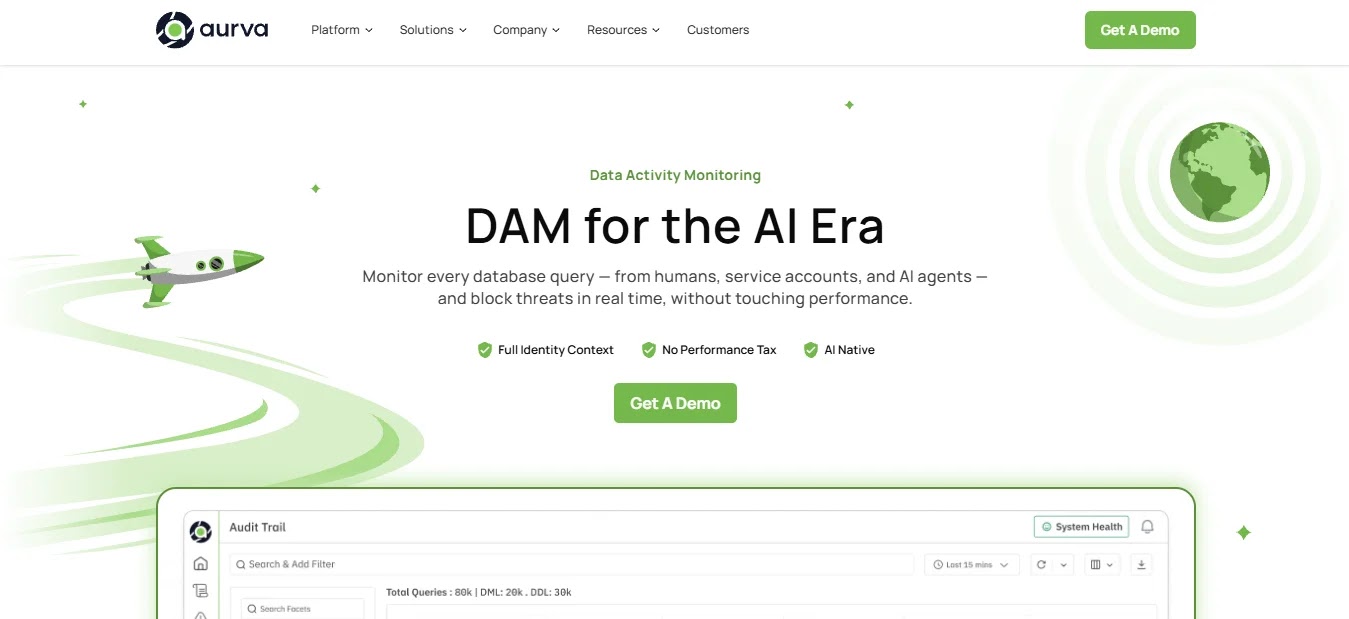
Snapshot: Provides agentless, hybrid, and real-time database monitoring.
Why it earns 6: Aurva’s cloud-native monitoring offers precise visibility into database queries and user activities across contemporary data stores. It establishes Database Activity Monitoring (DAM) as a vital defense layer without the need for traditional, agent-heavy architectures.
Pros: Designed for cloud-native environments; extensive database support; minimal monitoring overhead.
Cons: Smaller ecosystem compared to established DAM leaders.
Bottom line: Modern DAM solution engineered for cloud-native infrastructures.
7. Baffle — Best In-Path Field Protection
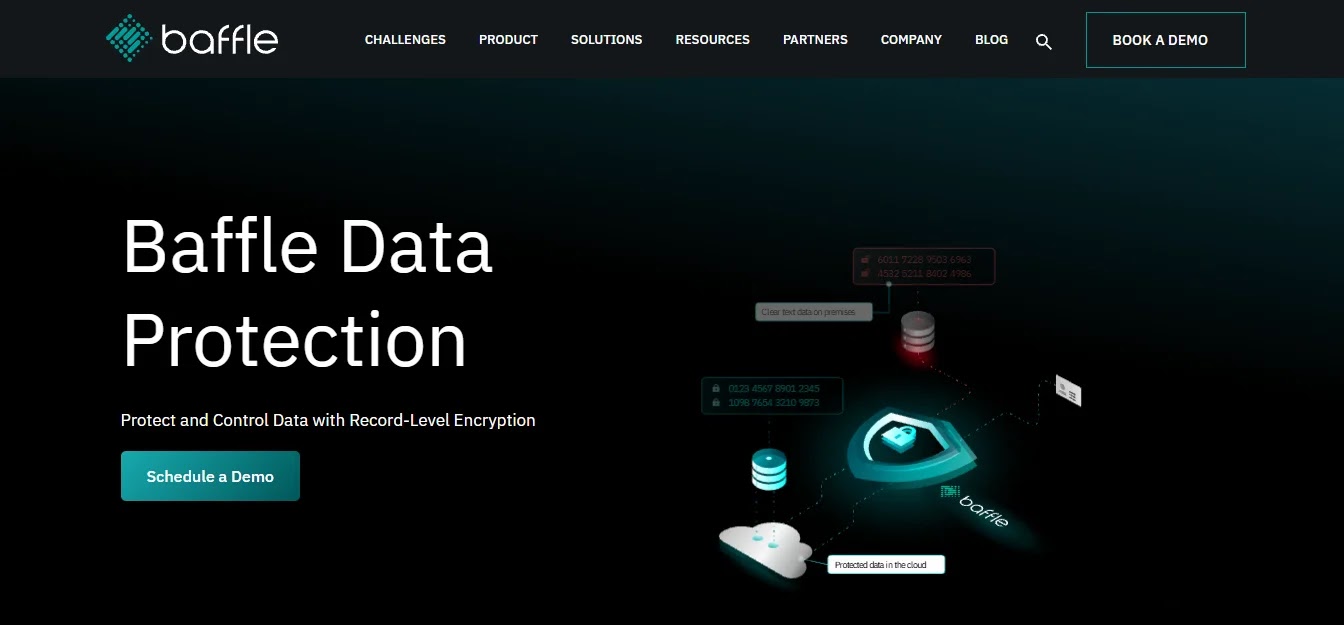
Snapshot: Offers tiered/quote pricing, proxy-delivered protection, and requires zero application changes.
Why it earns 7: Baffle addresses data risk by tokenizing or encrypting sensitive fields directly within the data path. This ensures that even if unauthorized access occurs, only protected values are exposed, rather than raw data.
Pros: Provides protection without requiring application re-writes.
Cons: Not a comprehensive monitoring suite.
Bottom line: Focuses on protecting data itself, not just controlling access.
8. Tenable Nessus — Best Database Security Assessment
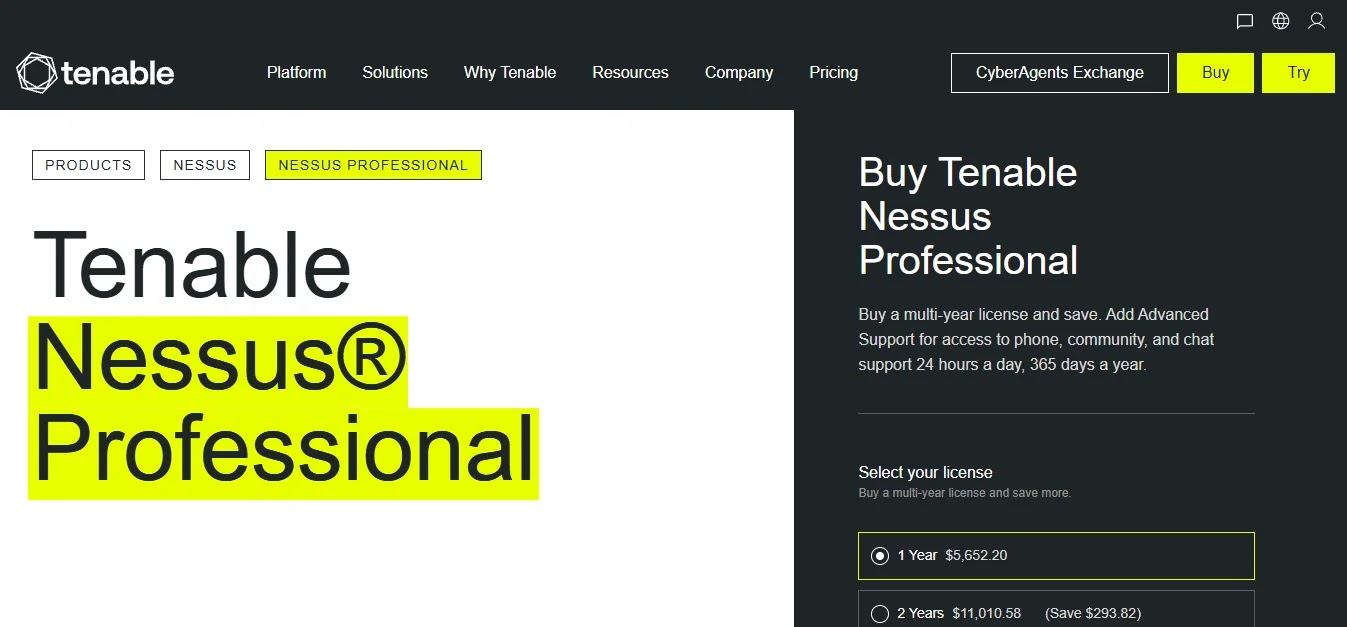
Snapshot: Features published tiers, vulnerability scanning, and compliance auditing.
Why it earns 8: Tenable Nessus provides advanced vulnerability and configuration assessment, effectively identifying weaknesses, unpatched systems, and compliance gaps across various database environments.
Pros: In-depth assessment capabilities; broad coverage for compliance requirements.
Cons: Does not function as a complete database activity monitoring platform.
Bottom line: Proactively identifies database vulnerabilities before they can be exploited.
9. Microsoft — Best Bundled Floor
Snapshot: Offered through bundled tiers, including Defender for SQL, auditing, and integration with Purview.
Why it earns 9: For Azure SQL environments, Microsoft delivers threat detection, auditing, and data classification as integral platform features. These capabilities provide a foundational layer of security that is readily available upon activation.
Pros: Cost-effective bundle economics.
Cons: Primarily scoped for Microsoft ecosystems.
Bottom line: Provides essential security features often already covered by existing licenses.
10. Trellix — Heritage Line (Status Check)
Snapshot: Represents the McAfee-lineage in database security.
Why it earns 10: While existing installed bases continue to operate, organizations should conduct thorough due diligence and verify roadmap depth before renewal. It is included here for a comprehensive overview of the market’s current state.
Pros: Offers continuity for existing users.
Cons: Requires careful evaluation before committing to continued use.
Bottom line: Should be a subject of renewal discussions rather than a default shortlist option.
Full Comparison Table
| Tool | Estate | Blocking | Warehouse-native | Pricing |
Disclaimer: HackersRadar reports on cybersecurity threats and incidents for informational and awareness purposes only. We do not engage in hacking activities, data exfiltration, or the hosting or distribution of stolen or leaked information. All content is based on publicly available sources.








No Comment! Be the first one.