




GuLoader Evades Defenses Using Polymorphic Code & Cloud
GuLoader, also known by its alias CloudEyE, has firmly established itself as a persistent and evolving threat within the cybersecurity landscape. Since its initial appearance, this sophisticated...

GuLoader, also known by its alias CloudEyE, has firmly established itself as a persistent and evolving threat within the cybersecurity landscape. Since its initial appearance, this sophisticated malware has consistently challenged defensive measures, making it a critical concern for security professionals.
Primarily functioning as a sophisticated downloader, it is designed to retrieve and execute secondary malware payloads, such as the Remcos Remote Access Trojan (RAT) and information stealers like Vidar and Raccoon Stealer.
This malware has garnered significant attention due to its advanced capabilities in bypassing security filters and its widespread use by threat actors seeking to compromise organizational networks for data theft and surveillance operations.
The infection process typically commences with a malicious spam email containing an archive attachment, such as a ZIP or ISO file.
These archives conceal the initial loader, often in the form of a VBScript or an NSIS installer, which masquerades as a legitimate business document or invoice.
Upon execution, the script initiates a multi-stage attack sequence that downloads the encrypted shellcode.
This shellcode is responsible for preparing the victim’s system and retrieving the final malicious payload from a remote server to complete the infection chain.
Zscaler analysts identified the latest GuLoader version have adopted sophisticated strategies to evade detection by modern security solutions.
The researchers noted that the malware now heavily utilizes trusted cloud hosting platforms, including Google Drive and Microsoft OneDrive, to store its encrypted payloads.
By leveraging these reputable services, the attackers ensure that the network traffic generated during the download phase appears legitimate, thereby bypassing reputation-based blocking mechanisms that would typically flag connections to unknown or malicious domains.
This strategic shift to cloud-based infrastructure provides the attackers with resilient hosting that is difficult to blacklist without disrupting essential business operations.
The encrypted nature of the payloads further complicates network-based detection, as the content cannot be inspected without decryption.
This combination of trusted hosting and encryption creates a formidable challenge for defenders relying on domain reputation and traffic analysis alone to protect their environments.
Polymorphic Code Evasion
A critical advancement in GuLoader’s arsenal is its use of polymorphic code to neutralize static analysis and signature-based detection.
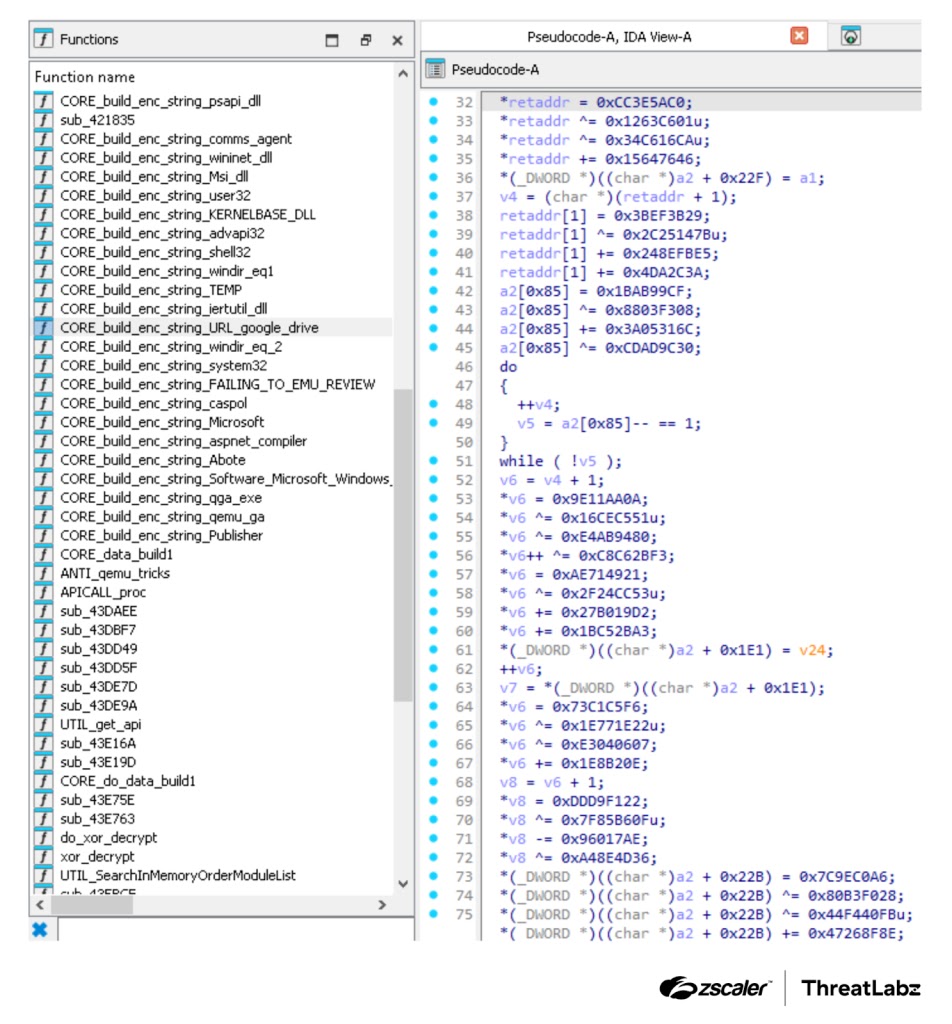
Rather than embedding static constants, the malware dynamically generates these values at runtime using a complex series of randomized arithmetic operations.
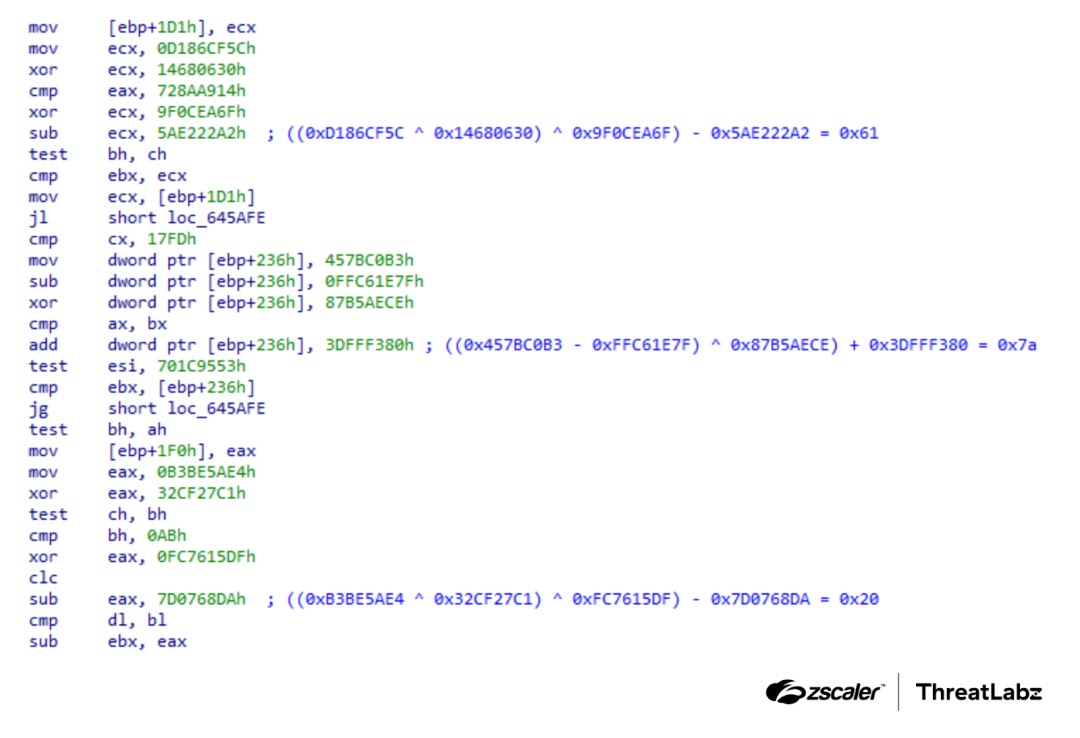
Here the instructions such as XOR, ADD, and SUB are combined to calculate the necessary data on the fly, ensuring that the code structure changes with every execution.
This polymorphism effectively renders traditional antivirus signatures obsolete.
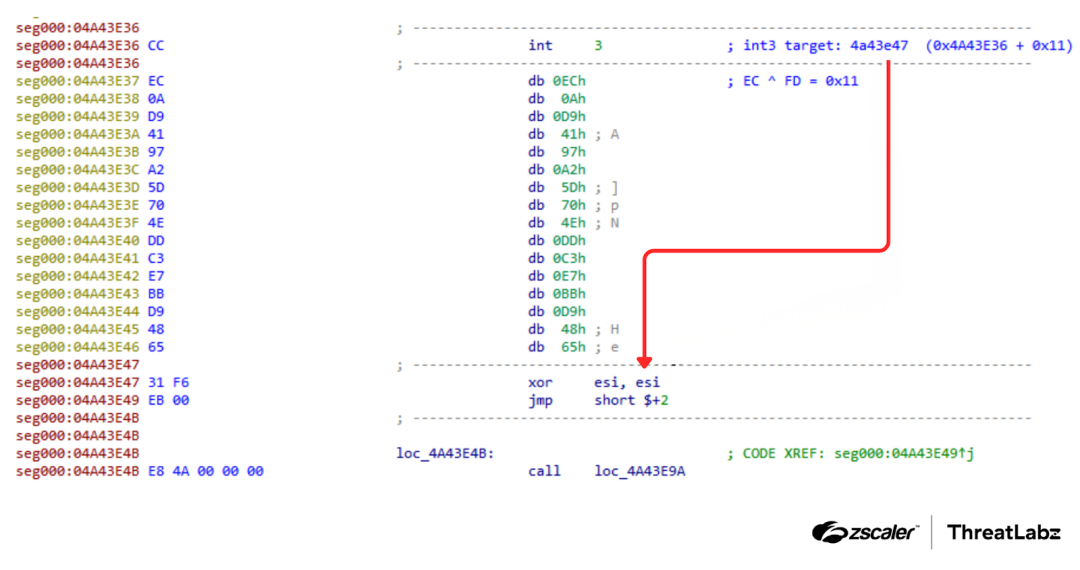
Additionally, the malware incorporates extensive anti-analysis techniques, including the scanning of process memory for virtualization artifacts to detect sandboxes and the use of vector exception handlers to disrupt debugging efforts.
Organizations should implement comprehensive email filtering to block malicious attachments and restrict the execution of VBScript and NSIS files.
Enabling SSL inspection allows for the detection of malicious content within encrypted traffic to cloud services.
Furthermore, deploying behavior-based endpoint detection and response (EDR) solutions can help identify and terminate the malware’s anomalous activities during the execution phase.
Disclaimer: HackersRadar reports on cybersecurity threats and incidents for informational and awareness purposes only. We do not engage in hacking activities, data exfiltration, or the hosting or distribution of stolen or leaked information. All content is based on publicly available sources.









No Comment! Be the first one.